


30 de October, 2026
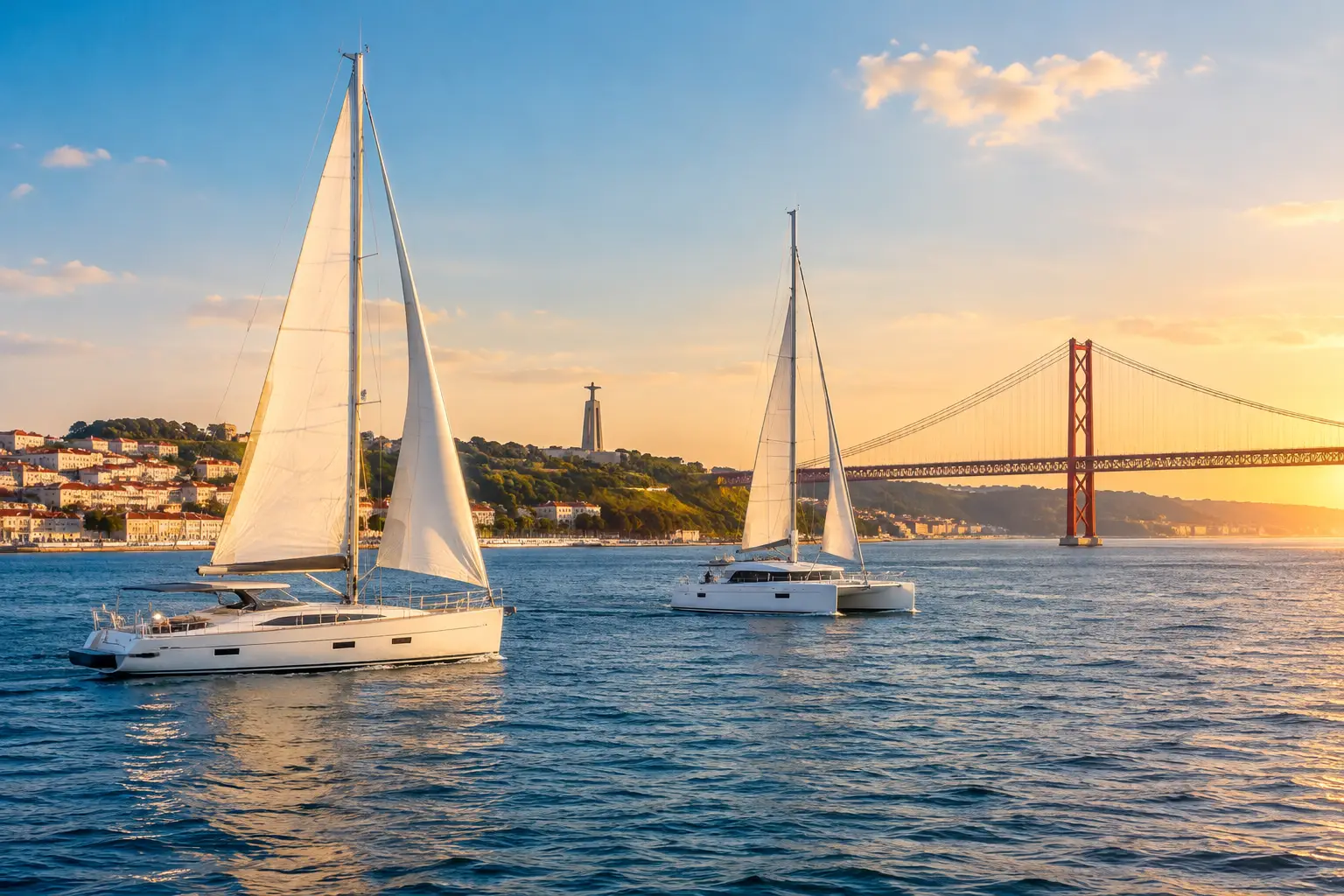
Lisbon makes more sense from the water. This Tagus River landmark viewing guide follows the city’s waterfront as it was meant to be seen: with the breeze in your hair, a drink in hand, and the skyline opening wide beyond the deck. From Belém’s great monuments to the bridge, old neighborhoods, and the glow of sunset over the hills, a river cruise turns familiar sights into an incredible and unforgettable experience.
Why Lisbon’s landmarks look better from the Tagus
Lisbon was built facing the river, not hiding from it. For centuries, the Tagus connected the city to trade routes, explorers, and the Atlantic beyond. That history is still visible along the shoreline, but it can be difficult to appreciate from a busy sidewalk or a packed tour bus.
On the river, the views arrive without traffic, crowds, or the need to crane your neck between buildings. You can see the proportions of the waterfront, the light moving across the tiled facades, and the hills rising behind the city. The experience is especially striking in late afternoon, when Lisbon’s famous golden light softens the stone monuments and makes the water shimmer.
A sightseeing cruise is ideal if you want a relaxed introduction to Lisbon. A sunset sail adds romance, music, and a celebratory feel. A private boat or VIP catamaran gives your group more space to set the pace, celebrate a special moment, and linger over the views with food and wine onboard.
The Tagus River landmark viewing guide: west to east
Your exact route will depend on the departure marina, wind, river conditions, and the length of your cruise. Still, most landmark-focused journeys on the Tagus bring together the highlights below. The beauty of the river is that there is no single right order – every turn offers another angle worth noticing.
Belém Tower
Belém Tower is one of Lisbon’s most recognizable silhouettes, and it has an entirely different presence from the water. Built in the early 16th century as part of the city’s river defenses, the pale stone tower sits low at the edge of the Tagus, looking almost as if it is floating.
From a boat, you can appreciate why it was placed there. Its position marks the historic gateway from Lisbon toward the sea, the point from which so many Portuguese voyages began. Bring a camera with a zoom lens if you want architectural detail, but a phone photo framed with the water and sailboat rigging can be just as memorable.
Monument to the Discoveries
Nearby, the Monument to the Discoveries rises from the Belém waterfront like the bow of a ship. It honors the figures associated with Portugal’s Age of Discovery, and from the river its scale becomes much clearer. The long, forward-looking shape was designed to be seen from this direction.
This is a great moment for wide photos, especially if your boat passes at a comfortable distance. Ask your crew which side of the deck offers the strongest view based on the route that day. The best hosts do more than point at a landmark – they share the small stories that make it stay with you.
MAAT and the modern waterfront
Lisbon’s riverfront is not only about the past. The sweeping white form of MAAT brings a contemporary contrast to Belém’s historic stone monuments. Its curved roofline catches the changing daylight beautifully, especially close to sunset when shadows deepen across the surface.
Seeing MAAT from the Tagus also reveals how the city has reshaped former industrial shoreline into public space. It is a small detail, but it helps explain Lisbon’s appeal: old, modern, local, and international all meet along the same stretch of water.
The 25 de Abril Bridge and Cristo Rei
The 25 de Abril Bridge is the landmark that makes visitors stop mid-conversation. Its red structure crosses the Tagus with enormous scale, connecting Lisbon to the south bank. From underneath or alongside it, the city feels grander and the river feels wider.
Across the water, the Cristo Rei statue stands high above Almada with open arms facing Lisbon. The bridge and statue often appear together in a single frame, which is one reason this part of a cruise is so photogenic. On a clear day, the contrast of red steel, blue water, and the hillside beyond is spectacular.
If photos are your priority, avoid standing directly beneath the canopy or in a crowded corner of the boat. Move early, secure your position, and let the crew know you would like a picture together. They know the river and are usually happy to help capture the moment.
Ribeira das Naus, Commerce Square, and the old city
As the boat approaches central Lisbon, the waterfront becomes a grand city panorama. Ribeira das Naus creates a broad, open edge between the river and the historic center, while Commerce Square appears with its striking yellow facades and monumental arch.
From this angle, look up beyond the square. The steep streets of Alfama and the castle-topped hills reveal Lisbon’s famous layers. You may not see every narrow alley from the river, but you will understand the geography of the city in a way that is hard to grasp on foot.
This is also where the skyline feels most alive at sunset. Ferry boats cross the water, trams and cars move in the distance, and the city’s windows begin to glow. It is a peaceful view, even when Lisbon itself is buzzing.
Choosing the best cruise for your landmark views
The right boat experience depends on the kind of memory you want to take home. A shared sightseeing cruise is a relaxed, social choice for travelers who want excellent views, local commentary, and the ease of joining a scheduled departure. It works well for couples, solo travelers, and families who want a special Lisbon activity without planning a private itinerary.
A sunset-and-wine sailing experience is for those who want the city at its most flattering. The landmarks are still the stars, but the atmosphere changes as daylight fades. This is the choice for anniversaries, dates, or simply a vacation evening that deserves more than another restaurant table.
Private sailboats and catamarans are best when flexibility matters. You can celebrate with friends, organize a family outing, host clients, or create a more personal experience with your own group. Catamarans generally offer more deck space and stability, while sailboats feel more intimate and classic. Neither is automatically better – it depends on your group size, comfort preferences, and the mood you want onboard.
Rent a Boat pairs these waterfront views with experienced crews, welcoming service, and the kind of easygoing onboard hospitality that lets you enjoy Lisbon rather than manage logistics.
When to go for the best light and comfort
Morning cruises can be calmer, cooler, and less crowded, particularly in warmer months. The light is clean and bright, which suits travelers who want clear architectural photos. Midday can be beautiful too, though the sun is stronger and the colors are less soft.
For many visitors, sunset is the best time on the Tagus. The western sky slowly changes from gold to peach to deep blue, and Lisbon’s landmarks gain a warm, cinematic glow. Sunset times shift significantly through the year, so choose your departure based on the season rather than assuming every evening cruise leaves at the same hour.
Wind and temperature matter on the water. Even after a hot day in Lisbon, the river can feel cool once the boat is moving. Bring a light layer, wear non-slip shoes, and keep sunglasses handy for the final bright stretch before sunset. If you are prone to motion sickness, choose a larger, steadier vessel and take precautions before departure.
Small details that improve the experience
Arrive with time to spare. Marinas can be confusing on a first visit, and arriving relaxed is much better than rushing down the dock. Keep your phone charged, but do not watch the entire cruise through its screen. Take a few favorite photos, then put it away long enough to enjoy the sound of the water and the city unfolding around you.
For portraits, face toward the light rather than placing the bright river directly behind you. For landmark shots, use the wide-angle setting sparingly: it is excellent for bridge views, but can make distant monuments look smaller than they feel. A short video as your boat glides past Belém Tower or beneath the bridge often captures more of the moment than a still image.
Most of all, do not try to treat the Tagus like a checklist. Let the landmarks guide your attention, but leave room for the unplanned details: a gull crossing the wake, the first city lights at dusk, a glass raised with friends, or the sudden quiet when Lisbon is viewed from its oldest route home.
You might also like:
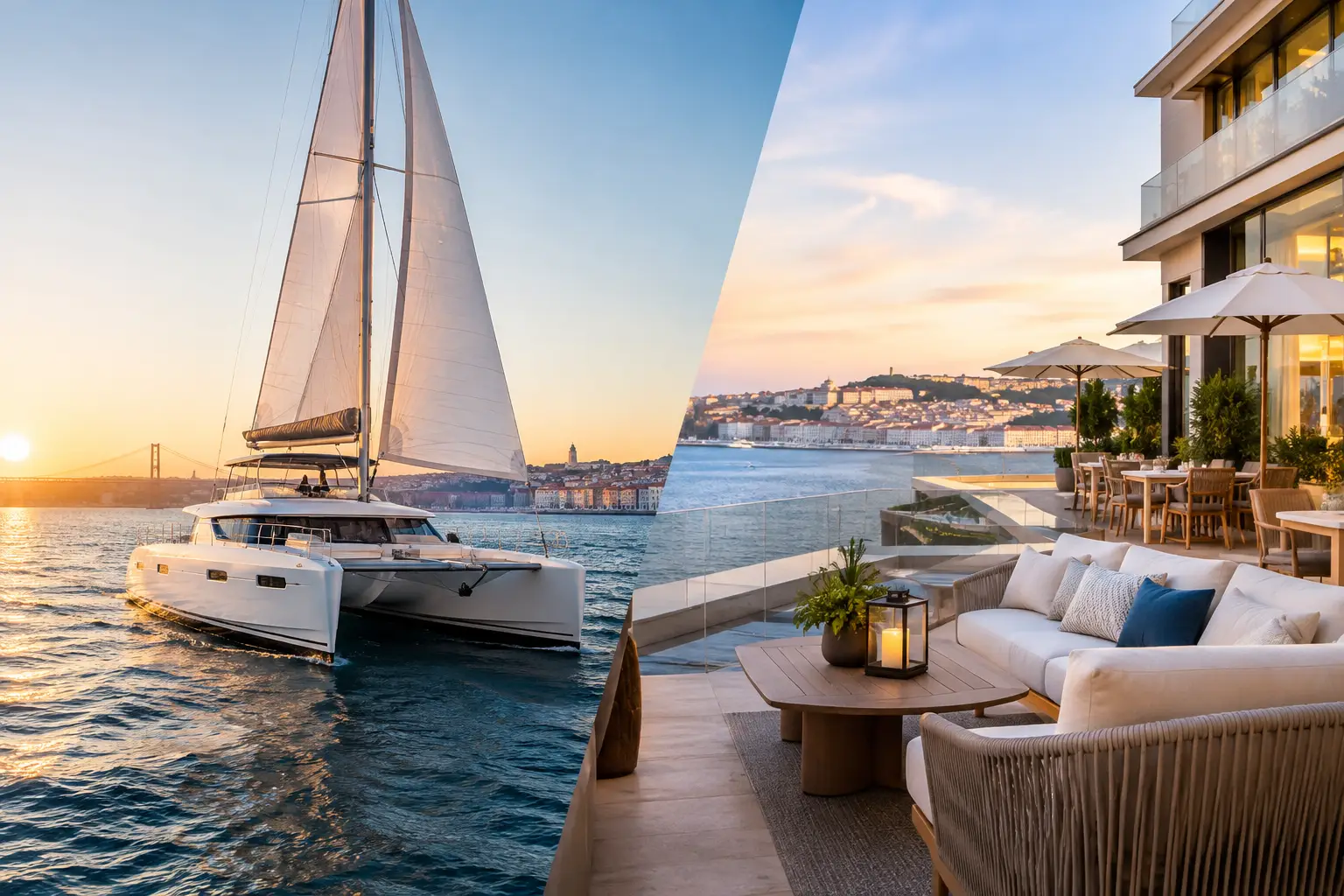
Private Yacht or Hotel Venue for Your Lisbon Event
5 de November, 2026
Choosing a private yacht or hotel venue in Lisbon? Compare atmosphere, privacy, views, service, and planning needs for an unforgettable event by the water.
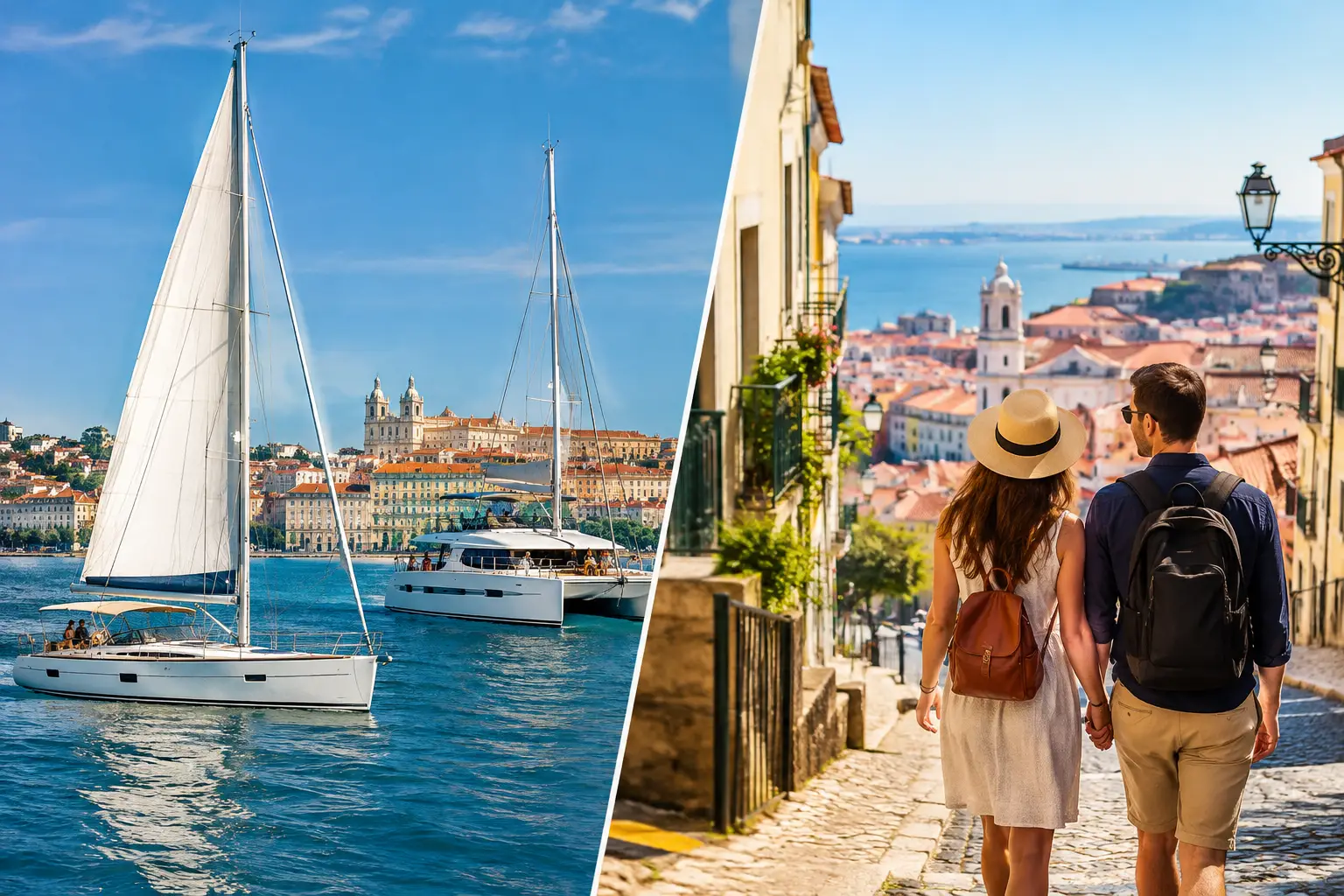
Boat Tours Versus Walking Tours in Lisbon
4 de November, 2026
Boat tours versus walking tours in Lisbon: compare views, comfort, pace, and local atmosphere to choose the experience that fits your trip beautifully.
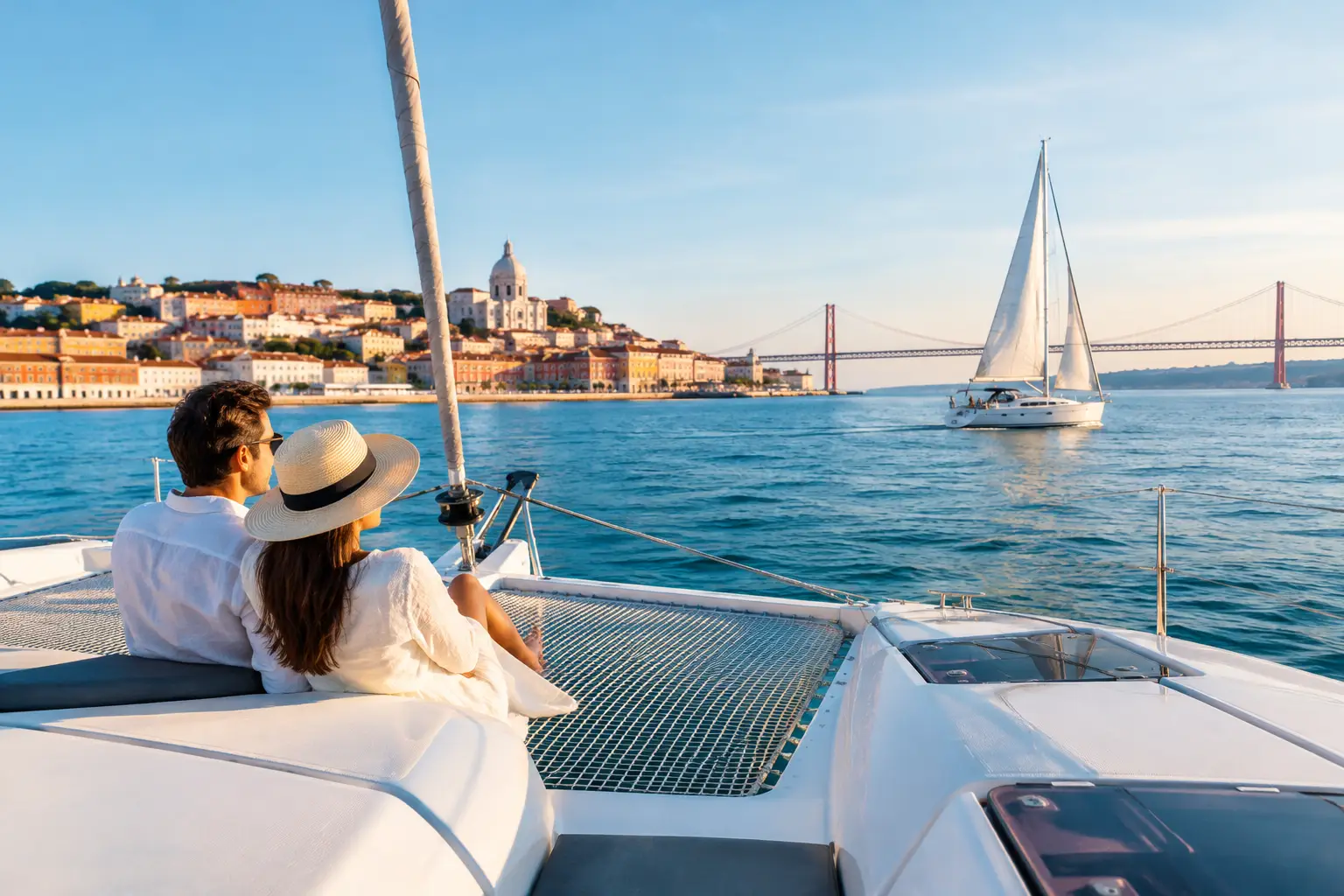
Are Lisbon Boat Tours Safe? What to Expect
3 de November, 2026
Are Lisbon boat tours safe? Learn how crews, weather checks, safety gear, and calm Tagus routes help you enjoy Lisbon from the water with confidence today.
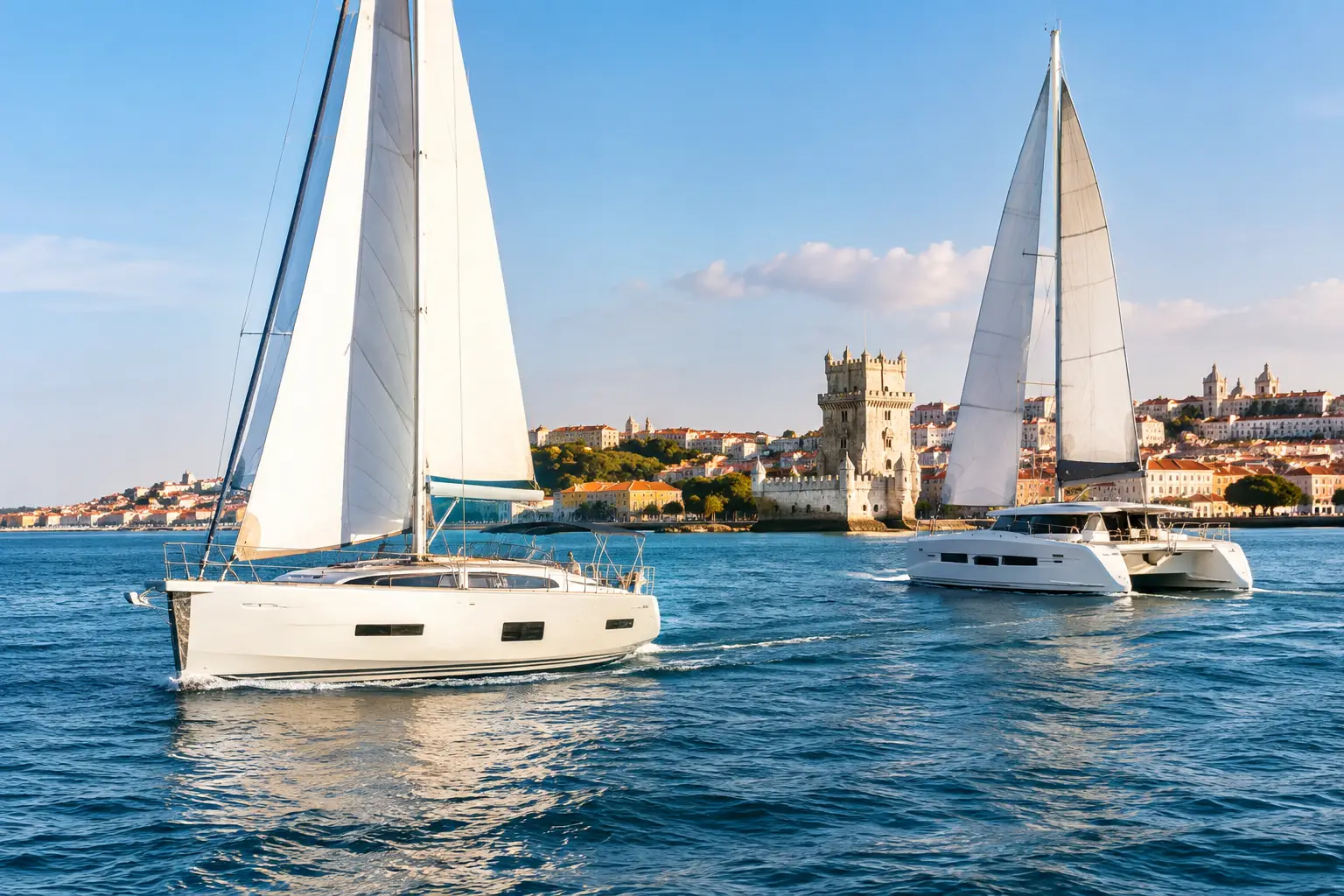
Winter Sailing Lisbon Guide for Sunny Days
2 de November, 2026
Our winter sailing Lisbon guide covers weather, what to wear, river views, and how to choose a cozy shared or private Tagus cruise with local hosts.
Boat Tour Ratings: What Travelers Should Look For
1 de November, 2026
Boat tour ratings reveal more than a star score. Learn how to spot great crews, comfortable boats, and Lisbon cruises worth your vacation time on the Tagus.
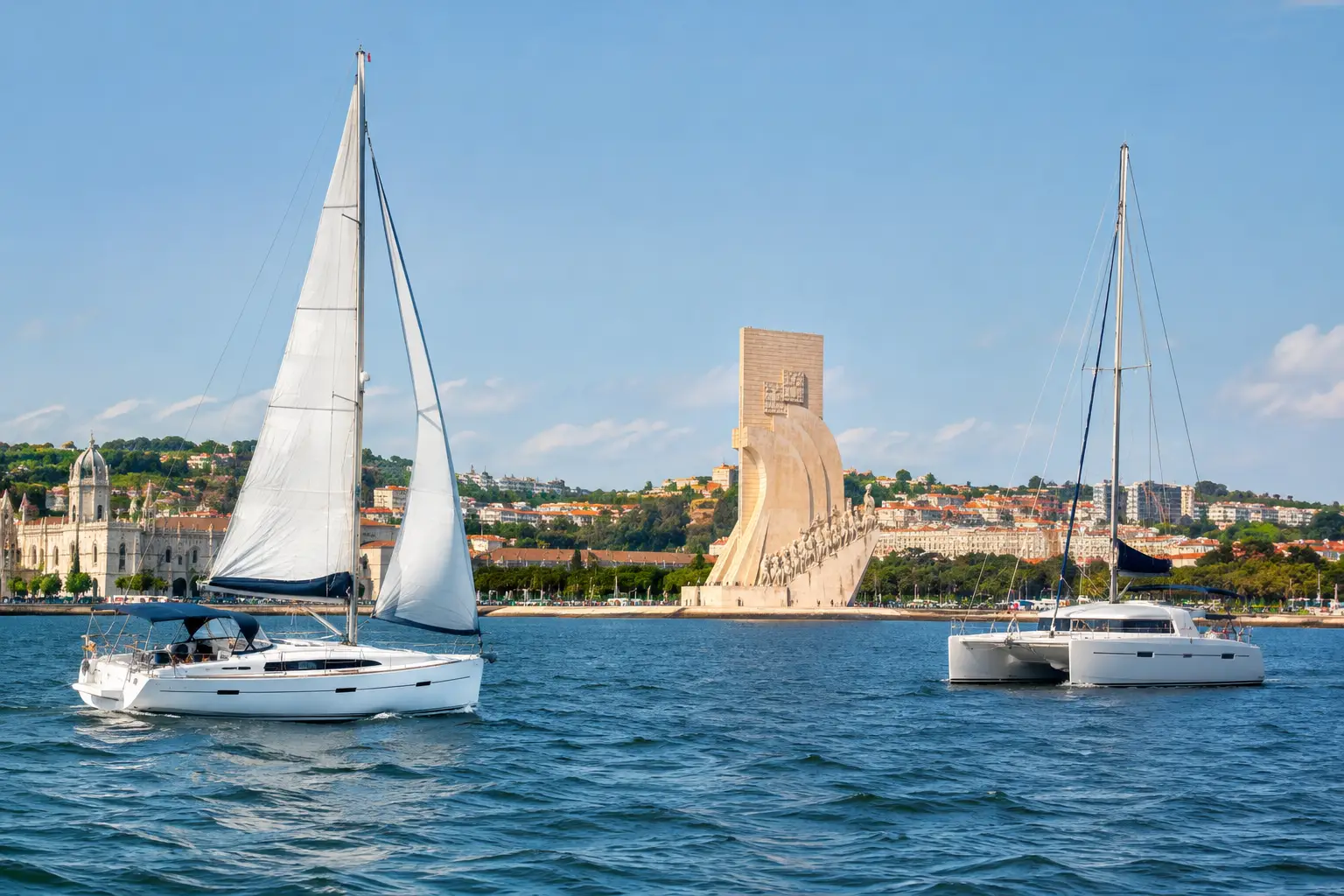
What Landmarks Appear From Water in Lisbon?
31 de October, 2026
Wondering what landmarks appear from water in Lisbon? See the Tagus skyline, photo moments, and the best time for a relaxed river cruise with a drink.
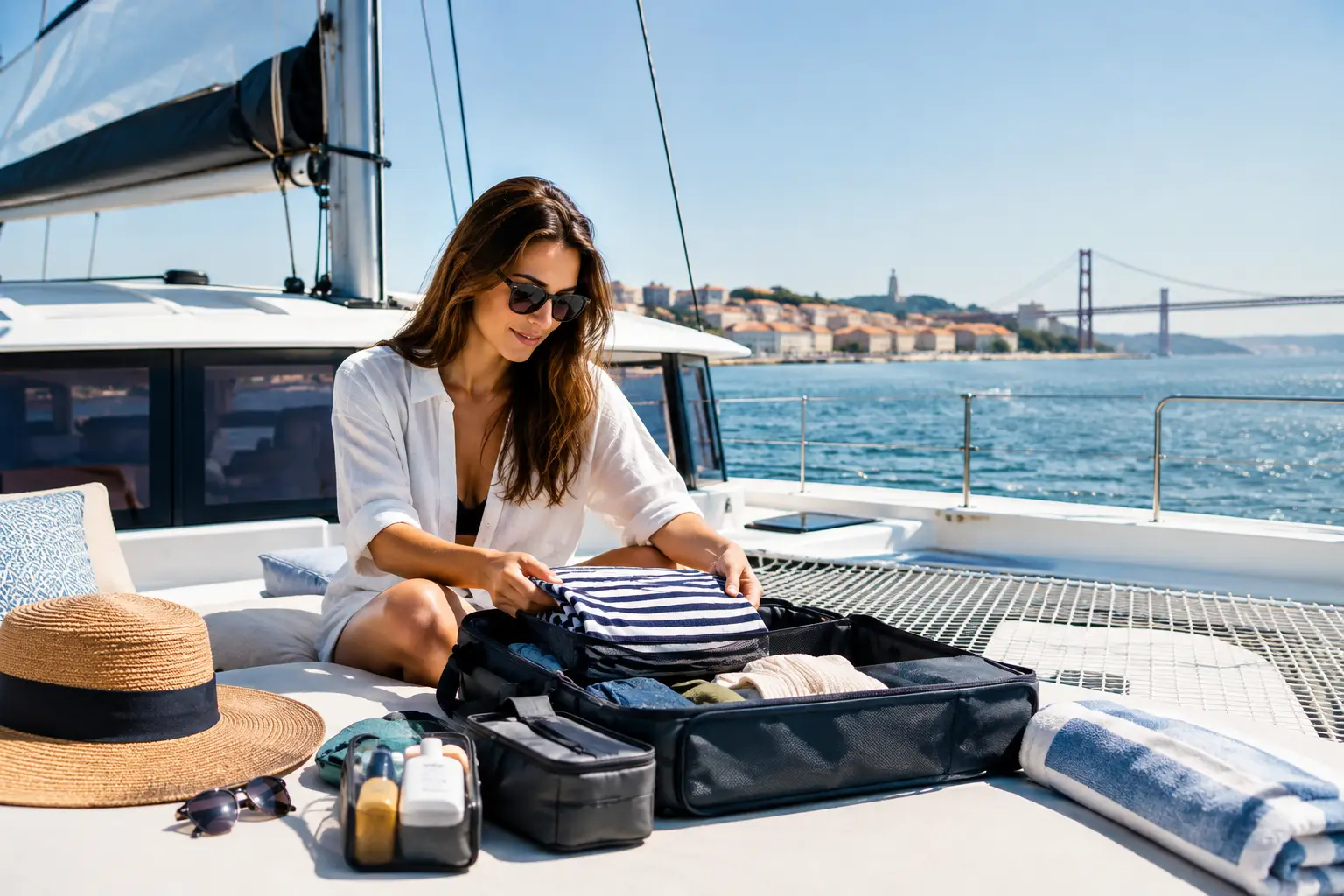
How to Pack for Catamaran Comfort in Lisbon
29 de October, 2026
Learn how to pack for catamaran comfort in Lisbon, with smart layers, soft bags, sun protection, and a few essentials for a relaxed cruise on the Tagus.
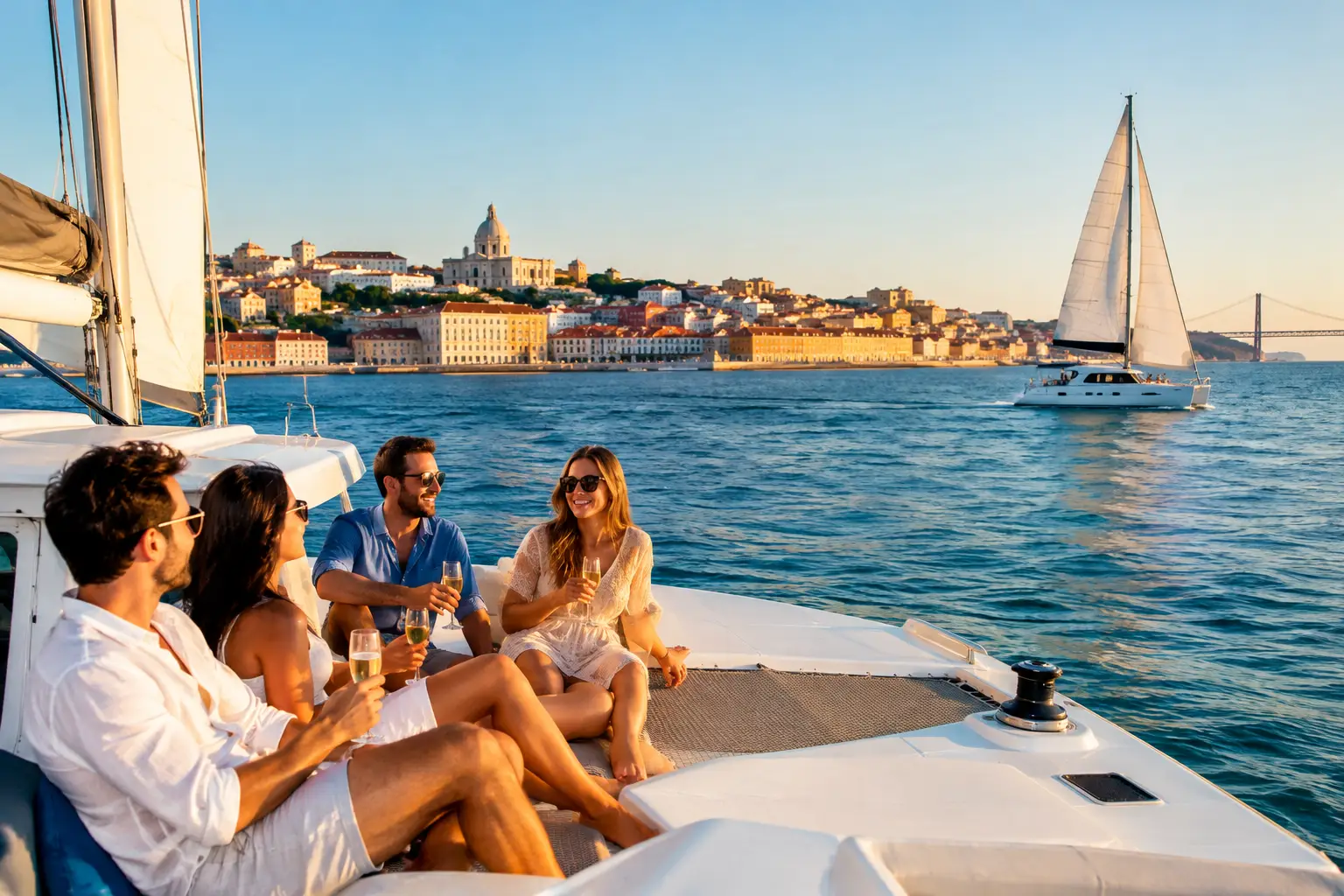
Best Group Cruises Lisbon for Every Celebration
28 de October, 2026
Find the best group cruises Lisbon offers, from relaxed shared sails to private catamarans, with sunset views, wine, and attentive local hosts aboard.
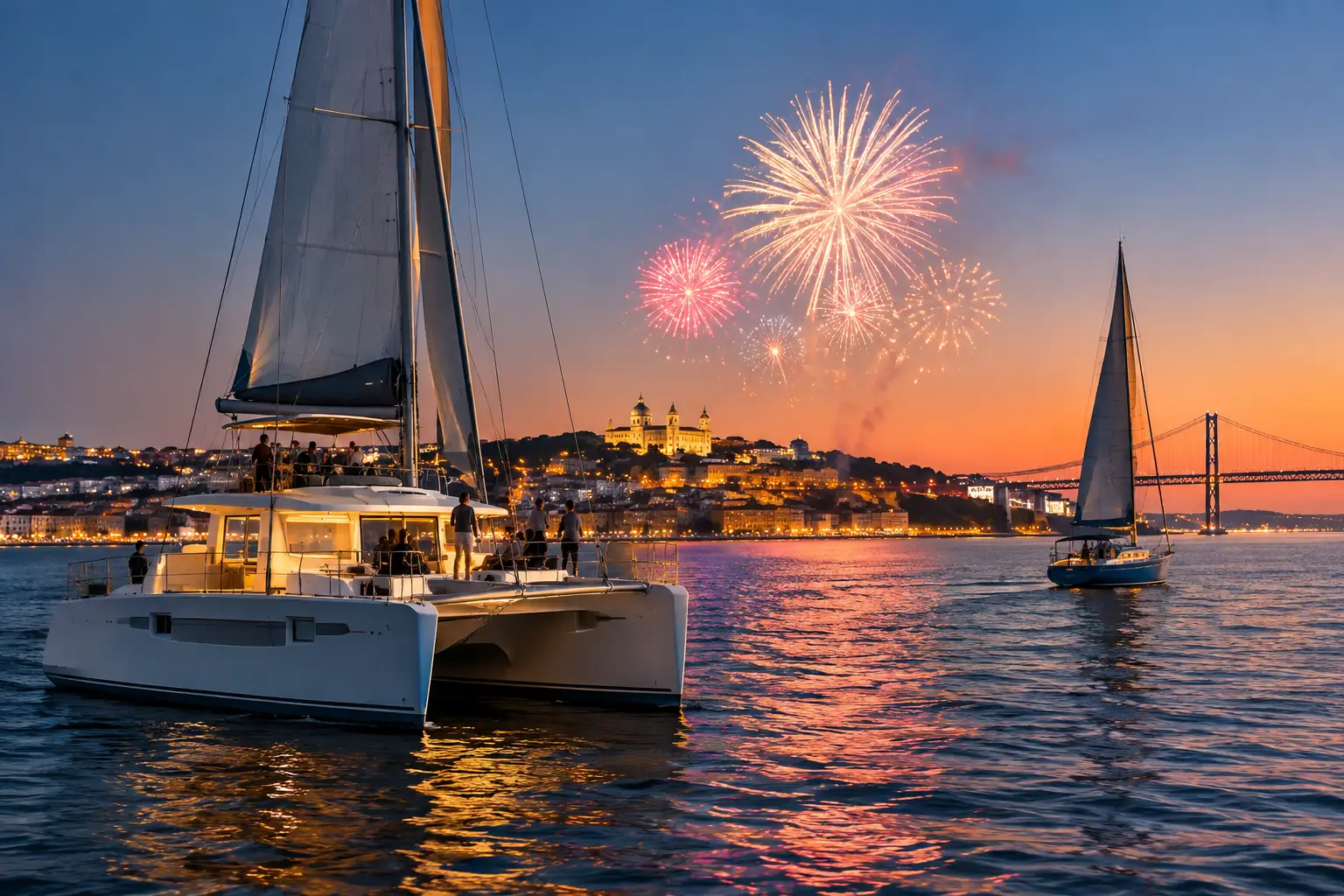
NYE in Lisbon – Boat Cruise for Fireworks
27 de October, 2026
Plan a magical nye in lisbon – boat cruise with skyline views, drinks, music, and front-row fireworks on the Tagus. Reserve your New Year’s Eve place early.
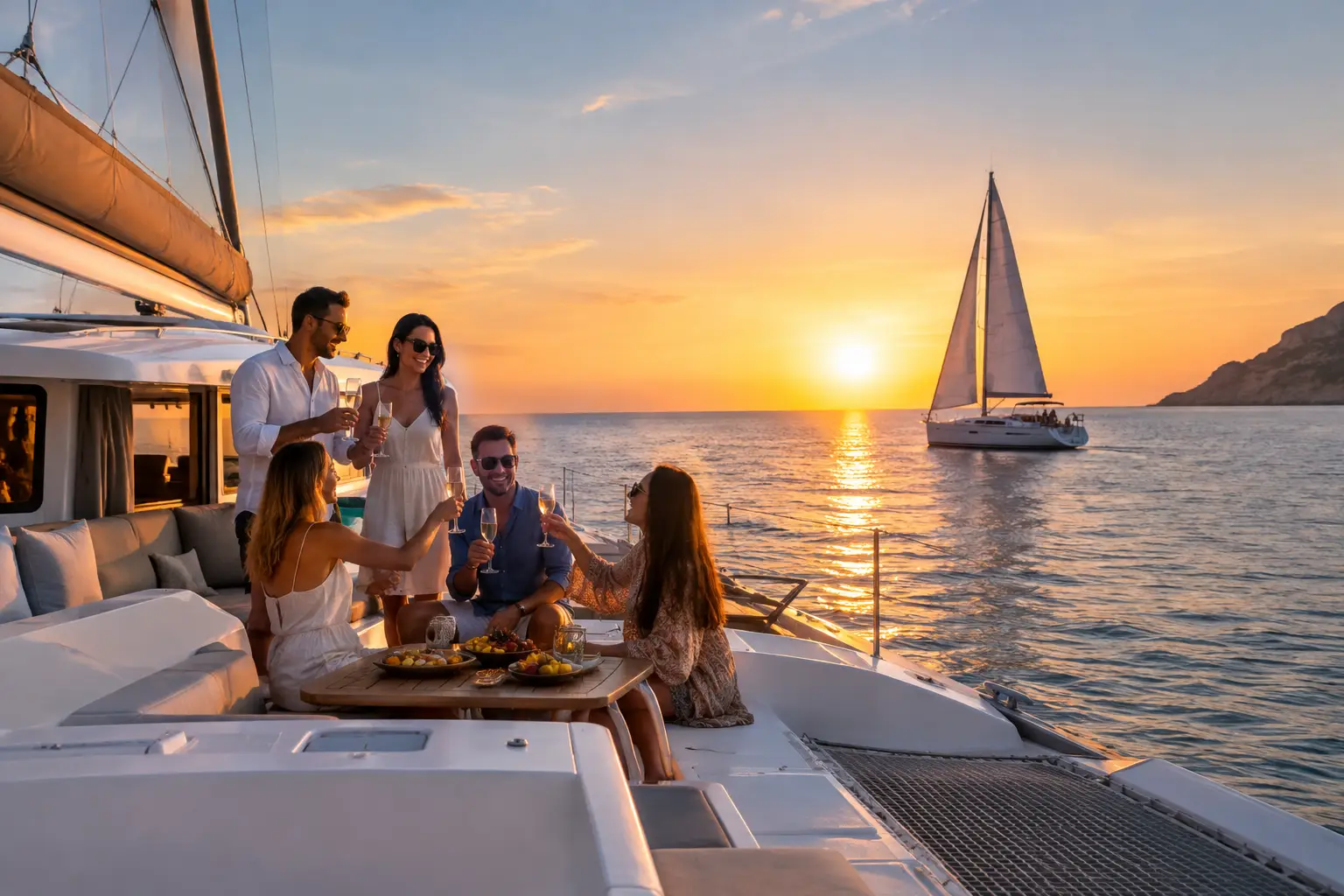
How to Plan a Boat Celebration at Sunset
26 de October, 2026
Learn how to plan a boat celebration in Lisbon, from choosing the right boat and guest list to sunset timing, food, music, and key details.
2022 © Rent a Boat. Resolution of consumer conflicts
Developed by Inovlancer