




3 de September, 2026
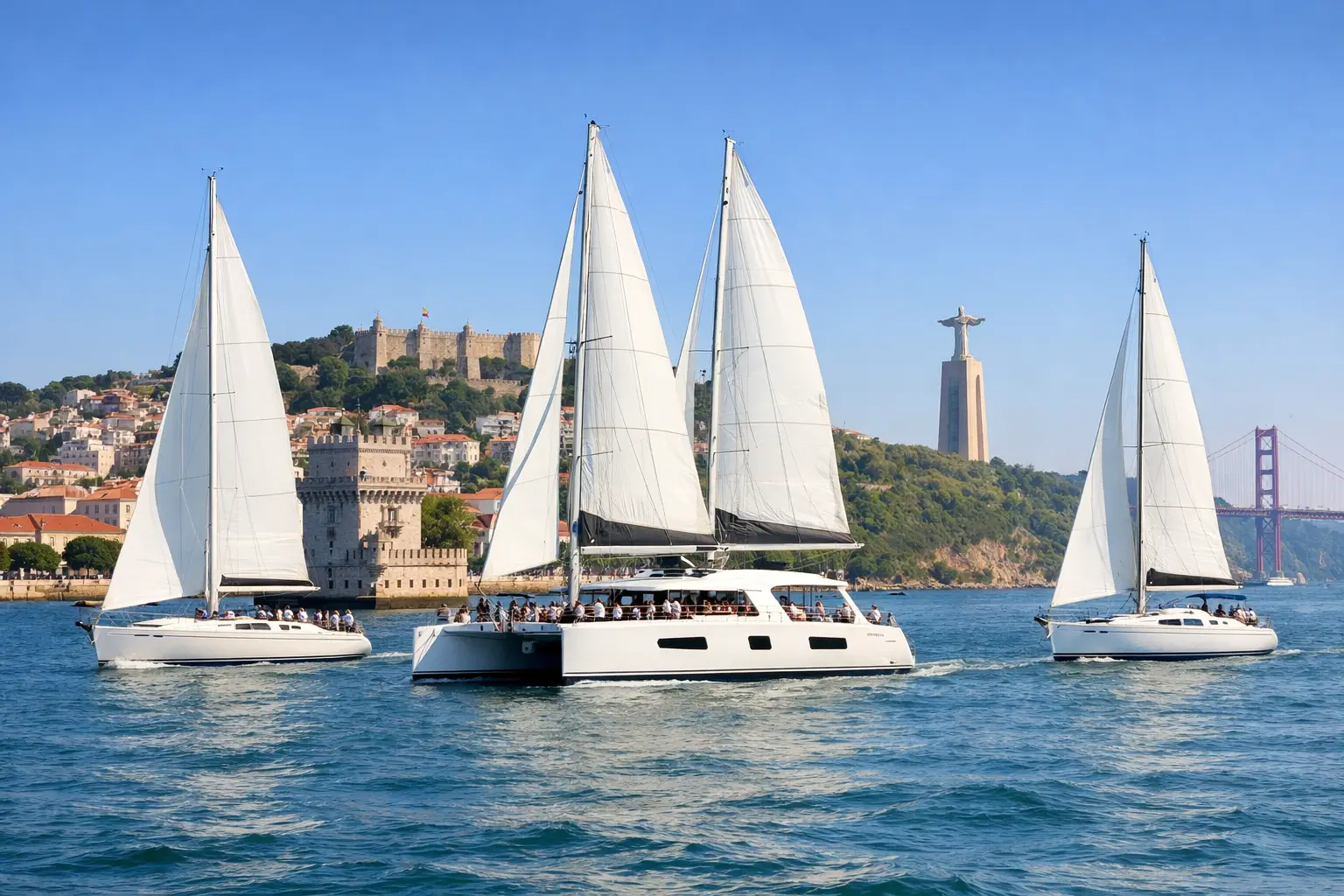
Lisbon was built in conversation with the River Tagus. Kings, merchants, sailors, revolutionaries, and everyday Lisbon families have all looked out across this water. That is why historical tours feel different from a boat: the city’s great landmarks appear in the order they were designed to be seen, rising above the same river route that connected Portugal to the world.
A cruise is not a replacement for walking through the narrow lanes of Alfama or stepping inside Jerónimos Monastery. It is the perfect counterpoint. From the water, you can understand Lisbon’s scale, its hills, its port, and the extraordinary role the Tagus played in its past, all while relaxing with a glass of wine and the city skyline in front of you.
Why historical tours work so well on the Tagus
Many European capitals have a river. Few have a waterfront that tells such a complete story of ambition, trade, resilience, and reinvention. Lisbon’s riverfront moves from medieval neighborhoods and royal squares to maritime monuments, working docks, contemporary museums, and one of Europe’s most recognizable suspension bridges.
On land, those places can feel separate. Traffic, hills, and busy schedules break the story into pieces. A boat tour connects them. As the vessel heads west toward Belém or returns toward the city center, the changing shoreline makes Lisbon’s history easier to read.
There is also a simple pleasure to it. After a morning of museum visits, cobblestones, and steep viewpoints, sitting back on deck is a welcome change of pace. You still see the city, but you do it with room to breathe, attentive crew service, and photographs that do not look like everyone else’s Lisbon album.
The waterfront landmarks with the biggest stories
Praça do Comércio and the rebuilt city
The grand yellow arcades of Praça do Comércio, also known as Terreiro do Paço, face the river with unmistakable confidence. This was once the site of the Royal Ribeira Palace, until the devastating earthquake, tsunami, and fires of November 1, 1755 transformed the city.
The square became a defining symbol of Lisbon’s reconstruction. Seen from the Tagus, its open river-facing design makes immediate sense: this was the ceremonial arrival point for visitors and goods coming by water. A historical cruise gives you the view that diplomats, traders, and travelers would have recognized first.
Alfama and the oldest hillsides
East of the city center, the layered rooftops below São Jorge Castle hint at Lisbon before the grand avenues. Alfama survived the 1755 earthquake better than much of the lower city, which is one reason its winding streets still carry such a distinct old-world character.
From the river, notice how tightly the neighborhood climbs the hill. This was a strategic landscape, shaped by centuries of Roman, Moorish, and Portuguese presence. A boat cannot show you every hidden courtyard, but it gives you a powerful sense of why this hillside city developed as it did.
Belém Tower and the age of ocean voyages
Belém Tower is one of Lisbon’s essential river views. Completed in the early 16th century, it was built to help defend the entrance to the harbor and quickly became associated with Portugal’s maritime expansion.
Its ornate Manueline details are beautiful from any angle, especially in the warm light before sunset. Its history, however, deserves more than a postcard version. The voyages launched from this river brought scientific exchange, trade, and cultural contact, but they were also tied to conquest, exploitation, and the Portuguese colonial empire. The best historical tours make room for the full story rather than reducing Lisbon’s past to a heroic slogan.
Monument to the Discoveries and Jerónimos Monastery
Near the tower, the Monument to the Discoveries rises like the bow of a stone ship. Built in the 20th century and expanded for the 1960 commemoration of the death of Prince Henry the Navigator, it reflects how Portugal chose to celebrate its maritime past at that moment.
Nearby, the great silhouette of Jerónimos Monastery completes the scene. Its location in Belém was no accident. The monastery was funded by wealth from maritime trade and stood close to the departure point of Vasco da Gama’s voyage to India. From a boat, this whole area feels less like a collection of monuments and more like a historic gateway.
The 25 de Abril Bridge and Cristo Rei
Lisbon’s story did not stop in the age of sail. The 25 de Abril Bridge, opened in 1966, is a reminder of the city’s modern growth and its vital connection between the north and south banks of the Tagus. Passing beneath it is one of those moments that makes even regular sightseeing feel cinematic.
Across the water, the Cristo Rei monument watches over the city from Almada. Completed in 1959, it was inspired by Rio de Janeiro’s Christ the Redeemer and became a major landmark of the metropolitan landscape. Together, bridge and statue show a more recent Lisbon – ambitious, visual, and always oriented toward the river.
Choose the right Lisbon historical cruise for your trip
The right experience depends on what you want from your time on board. A daytime sightseeing cruise is usually best if landmark visibility and clear photos are your priority. You will see more architectural detail, and a guide or skipper can point out the waterfront highlights as the city is fully illuminated.
A sunset sailing tour offers a different kind of history. The facades soften, the river turns gold, and Belém looks especially memorable as daylight fades. It is ideal for couples, friends, and travelers who want the stories of Lisbon alongside wine, music, and a relaxed social atmosphere. The trade-off is straightforward: sunset is more atmospheric, while midday is better for studying every detail of the skyline.
For families, small groups, or guests celebrating something special, a private sailboat or catamaran creates more flexibility. You can ask more questions, set a pace that suits your group, and enjoy the space as your own floating venue. For corporate groups, it is also a far more memorable setting than another hotel meeting room, particularly when hospitality and city views are part of the plan.
Rent a Boat offers shared and private Tagus experiences that turn this historic route into a comfortable, personal Lisbon moment, with experienced crews taking care of the sailing while you enjoy the view.
What makes a boat tour genuinely historical
Not every cruise past a landmark is automatically a historical tour. A great experience needs context, not a lecture. The crew should be able to identify what you are seeing, explain why it matters, and answer the natural questions that come up when you spot a fortress, palace square, monument, or old dock.
Before booking, consider the style of experience you want. If deep historical commentary is your main goal, ask whether the tour includes guided narration and which language is available. If your priority is a beautiful sunset with a few key stories, choose a sailing experience with a local skipper who knows the river and can share the highlights naturally.
Duration matters, too. A shorter cruise can be a brilliant introduction when your Lisbon itinerary is packed. A longer private charter gives you more time to settle in, admire the route, enjoy food and drinks, and avoid making the history feel rushed. Neither is universally better. It depends on whether you are planning a focused sightseeing day, a romantic evening, or a relaxed group experience.
Make the most of the view
Bring a light layer, even in warmer months. The river breeze can feel cooler than the streets of central Lisbon, particularly near sunset. Arrive with your phone charged, but do not spend the entire cruise behind it. Some of the best moments are the quiet ones: passing the bridge overhead, seeing the city lights begin to appear, or watching Belém Tower stand against the open sky.
If you are visiting Lisbon for only a few days, plan your river experience early in the trip. It gives you a visual map of the city before you explore it on foot. Then, when you later walk through Praça do Comércio, climb toward Alfama, or visit Belém, the places will already feel connected.
Leave a little space in your schedule after the cruise, too. The strongest historical tours do not end when you step ashore. They give you a new way to look at Lisbon, and that is a very good reason to stay by the river awhile longer.
You might also like:
Top Private Charter Amenities Worth Booking
20 de September, 2026
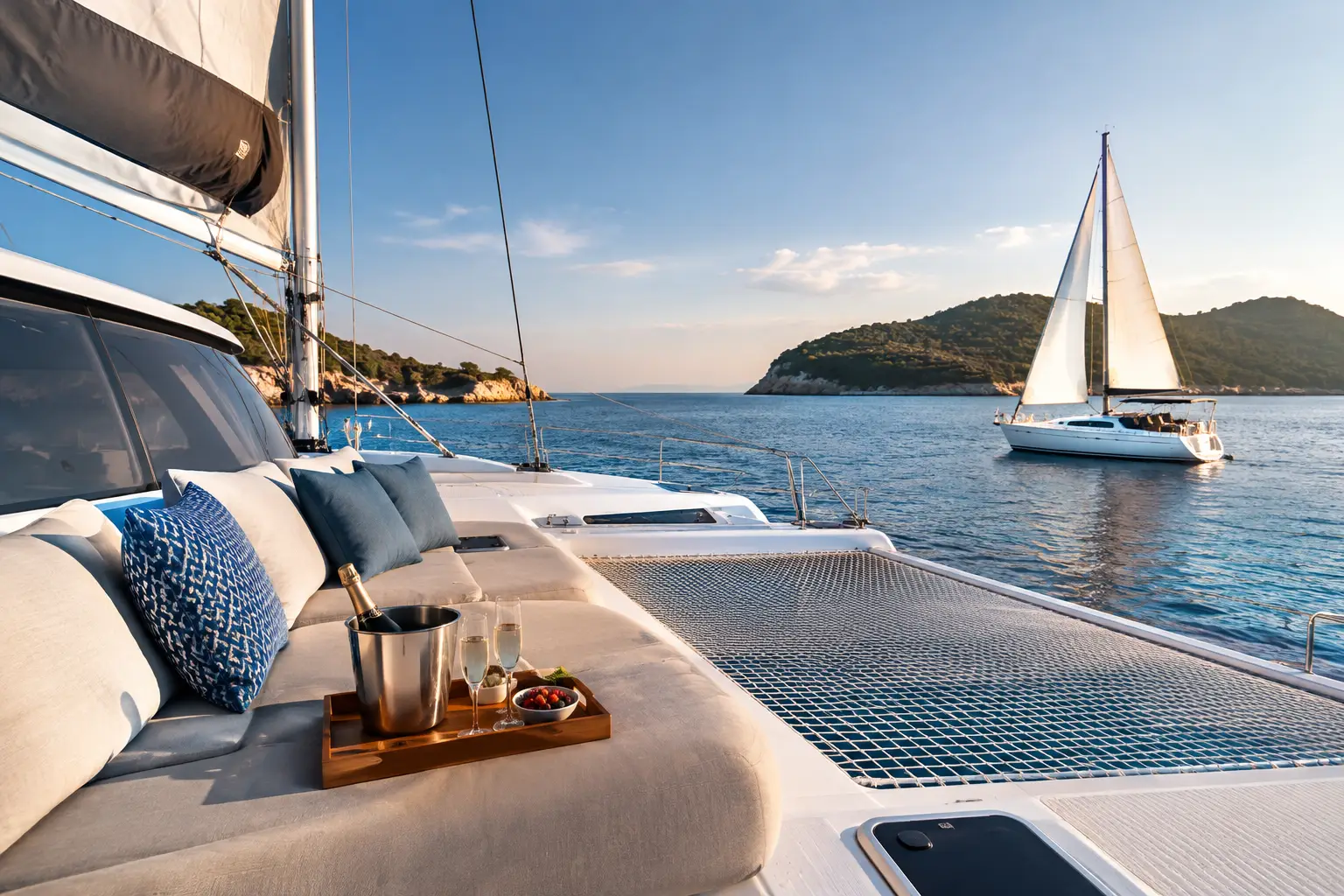
Compare top private charter amenities for a Lisbon cruise, from chilled wine and sunset decks to music, dining, and attentive crew service for guests.
Private Versus Shared Cruises in Lisbon
18 de September, 2026
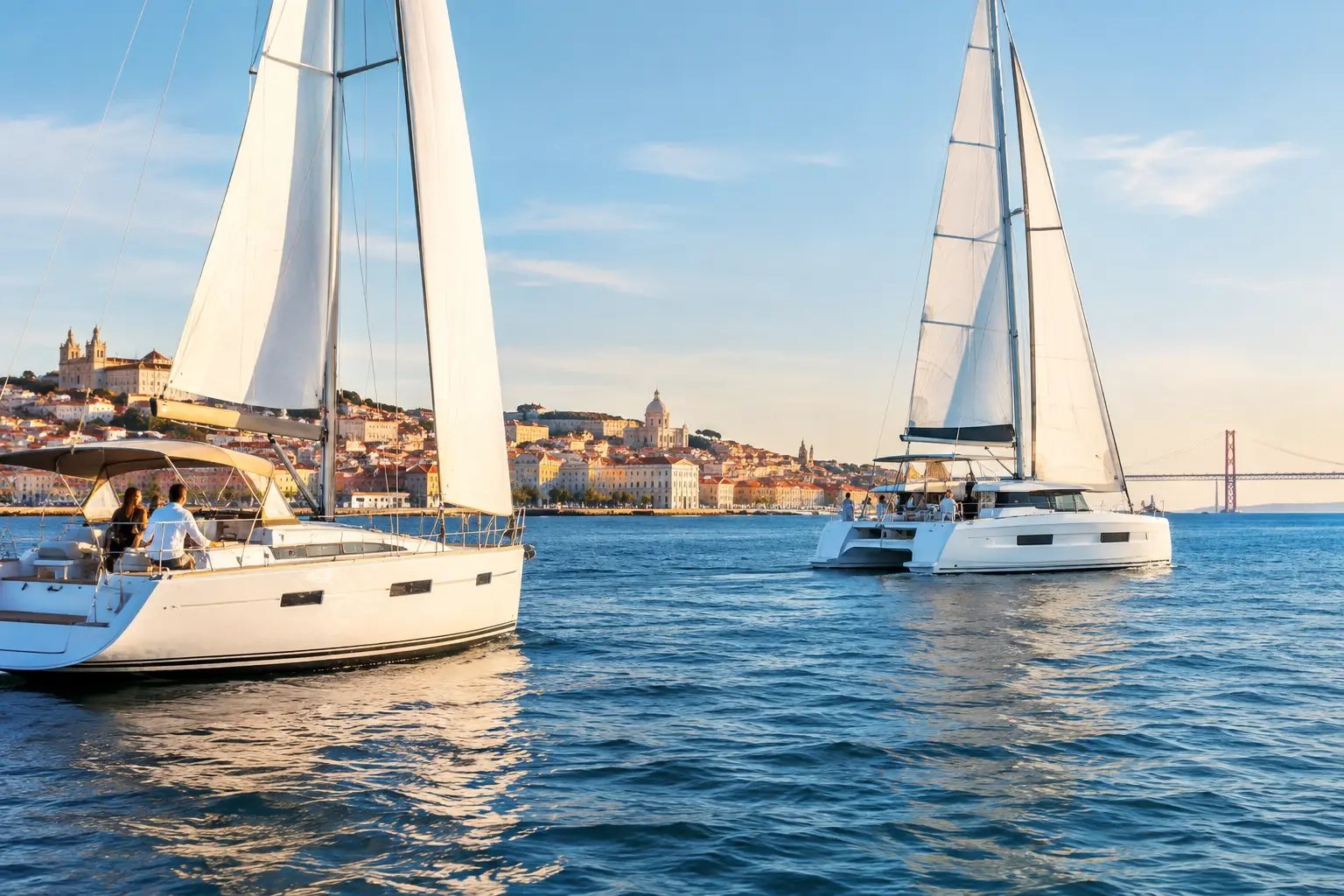
Private versus shared cruises in Lisbon: compare privacy, atmosphere, value, timing, and onboard service to choose your ideal Tagus River experience.
Yacht Experiences in Lisbon Worth Making Time For
16 de September, 2026
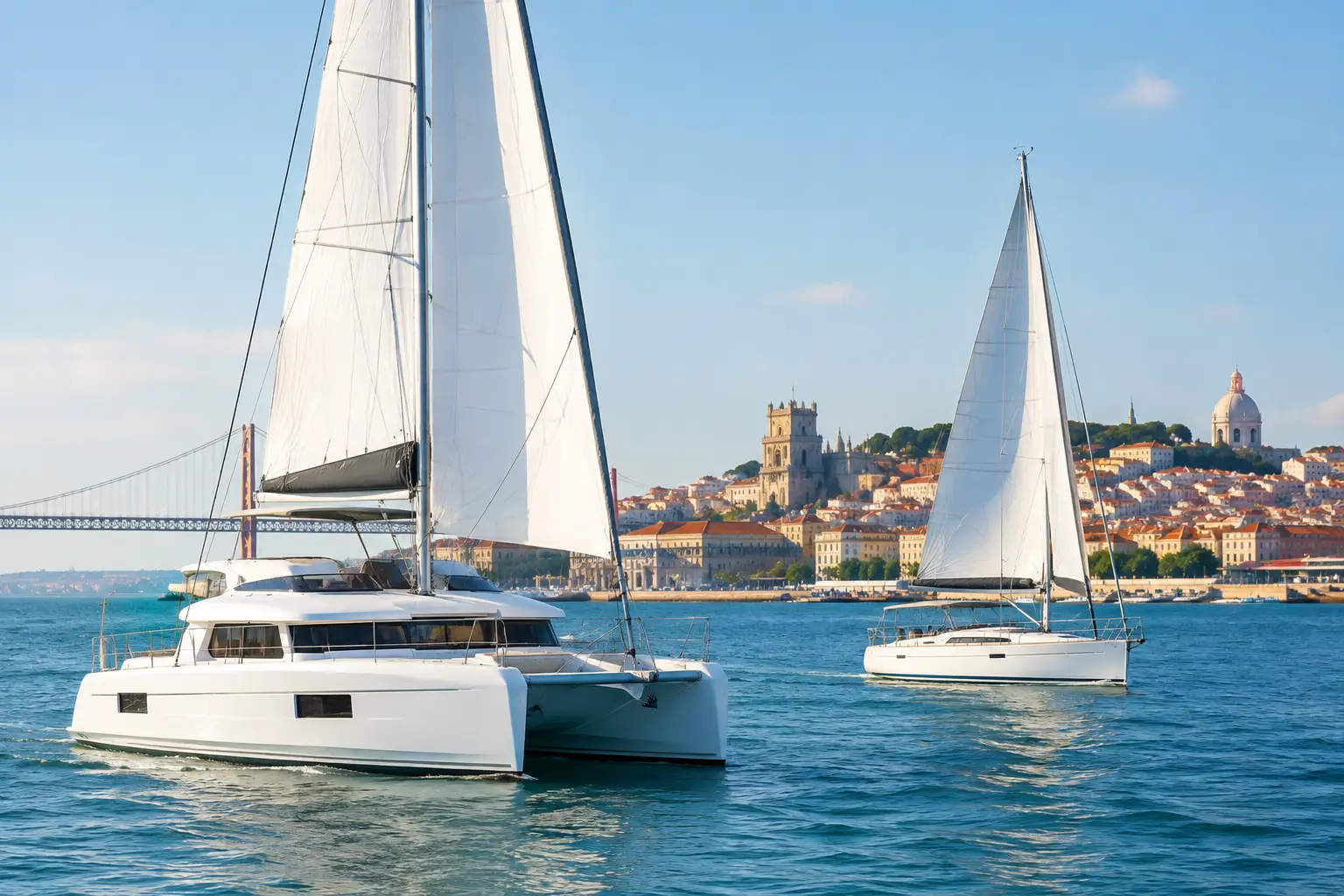
See Lisbon from a yacht on the Tagus: sunset light, landmark views, wine, and attentive local hosts make every cruise feel personal and memorable at sea.
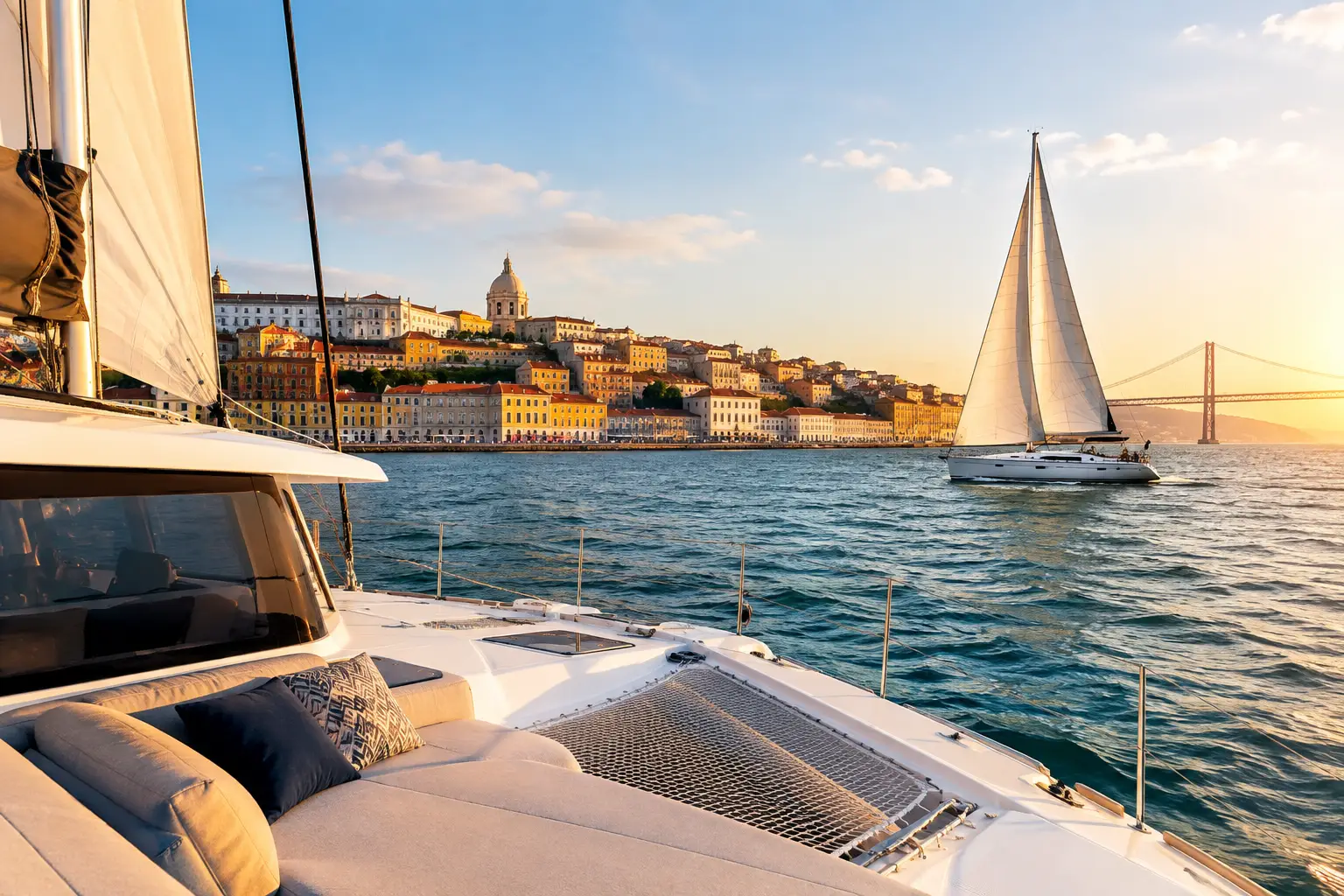
Sailing Lisbon for the City’s Best River Views
15 de September, 2026
Plan sailing Lisbon for sunset views, waterfront landmarks, wine, and effortless comfort. Choose a shared cruise or private boat for your perfect day.
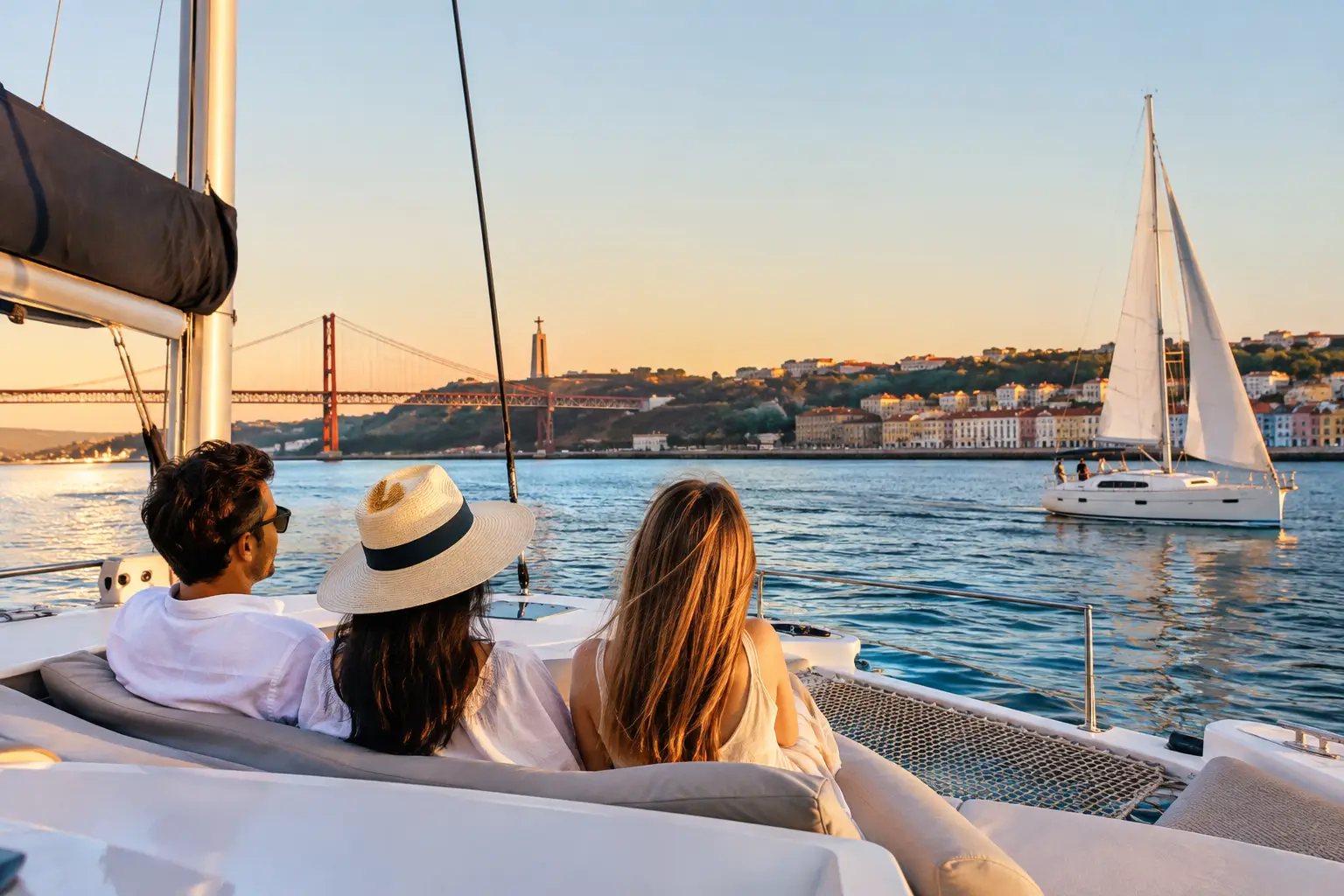
Sharing Moments on Lisbon’s Most Beautiful Stage
14 de September, 2026
Sharing moments on the Tagus turns a Lisbon visit into sunset stories, private celebrations, and photographs you will want to keep for years ahead.
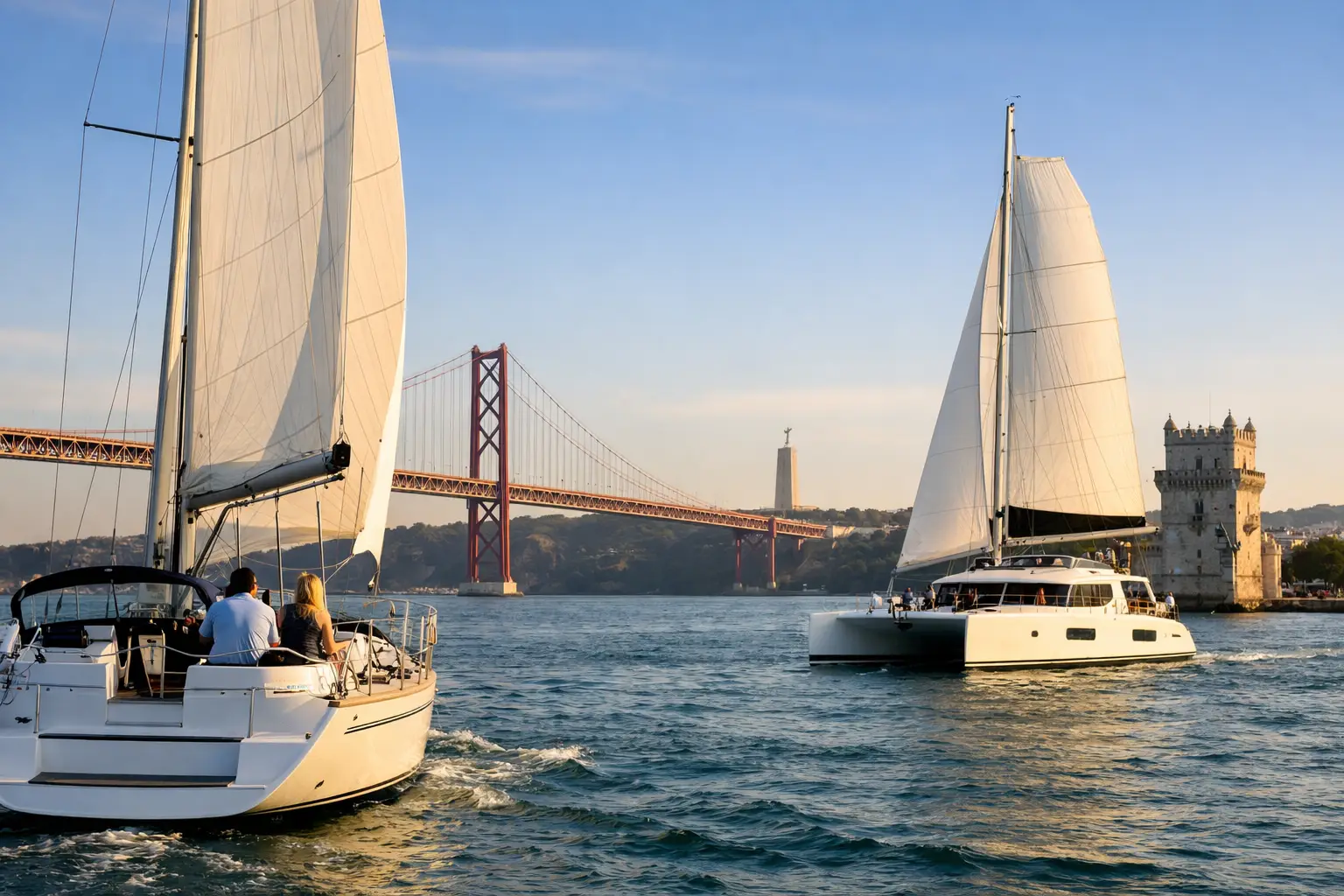
Why Sailing in Lisbon Belongs on Your Itinerary
13 de September, 2026
Sailing in Lisbon turns an ordinary afternoon into wine, warm light, waterfront icons, and a relaxed crew-led escape on the Tagus River for every traveler.
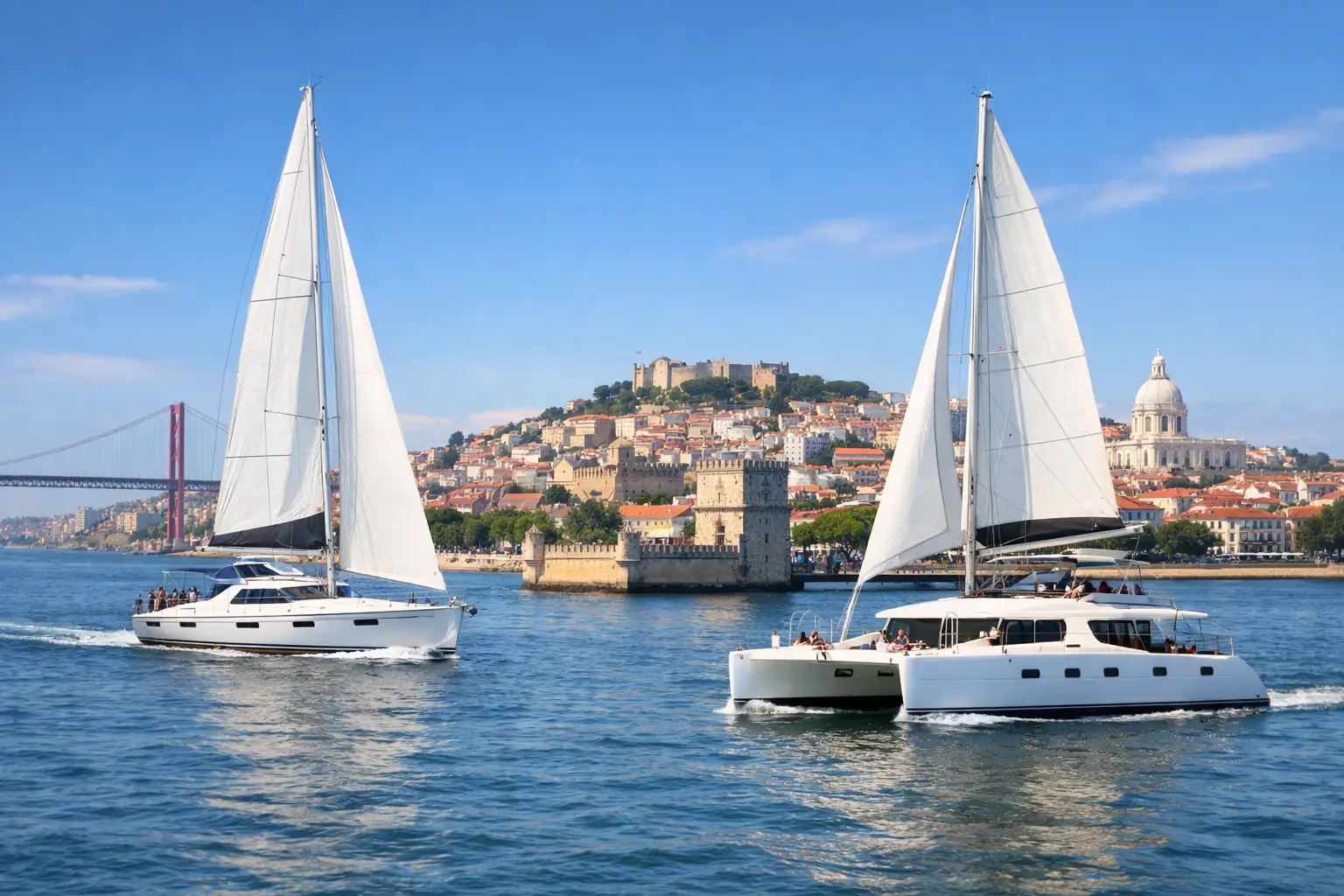
See Lisbon by Boat for a Better City Day
12 de September, 2026
See Lisbon by boat as the city opens across the Tagus: landmarks, sunset light, local wine, and a relaxed cruise made for unforgettable memories today.
Tagus Cruises: See Lisbon at Its Most Beautiful
11 de September, 2026
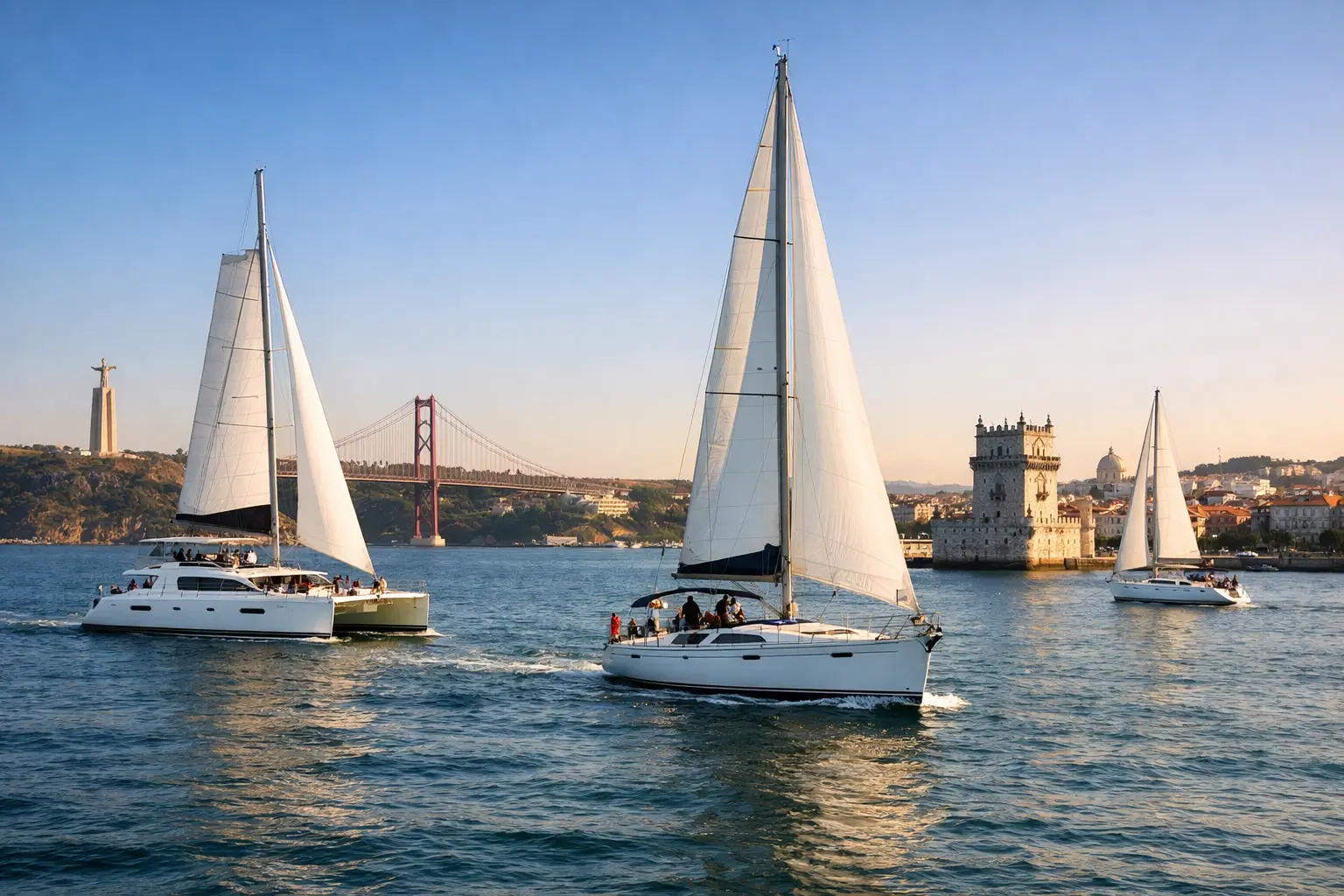
Tagus cruises show Lisbon from its most beautiful angle – sail past landmarks, sip wine at sunset, and choose a shared or private escape on the river.
How to Arrange Onboard Catering in Lisbon
10 de September, 2026
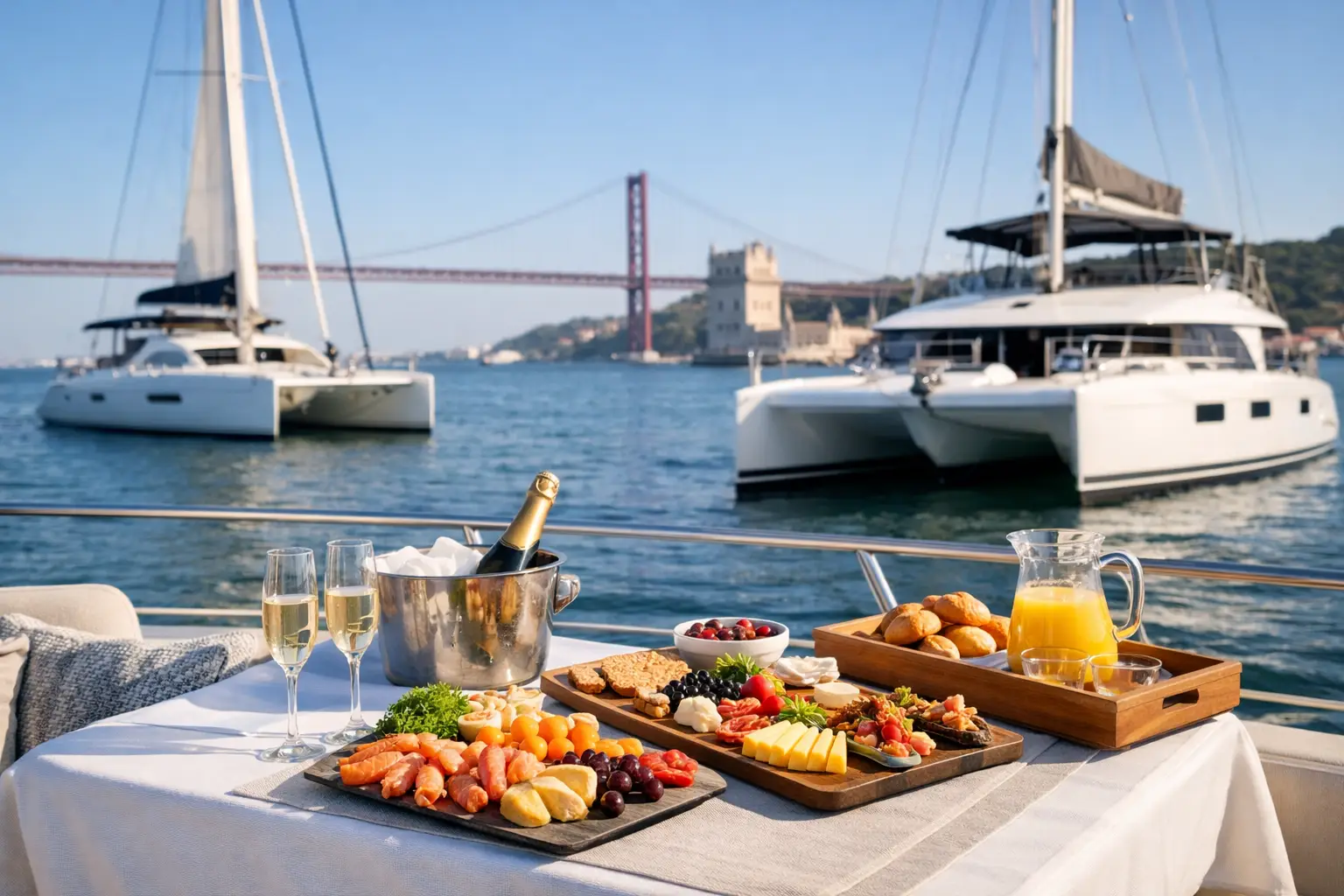
Learn how to arrange onboard catering for a Lisbon cruise, from menus and drinks to timing, dietary needs, and hosting guests in comfort with confidence.
Sailboat Versus Catamaran Comfort in Lisbon
9 de September, 2026
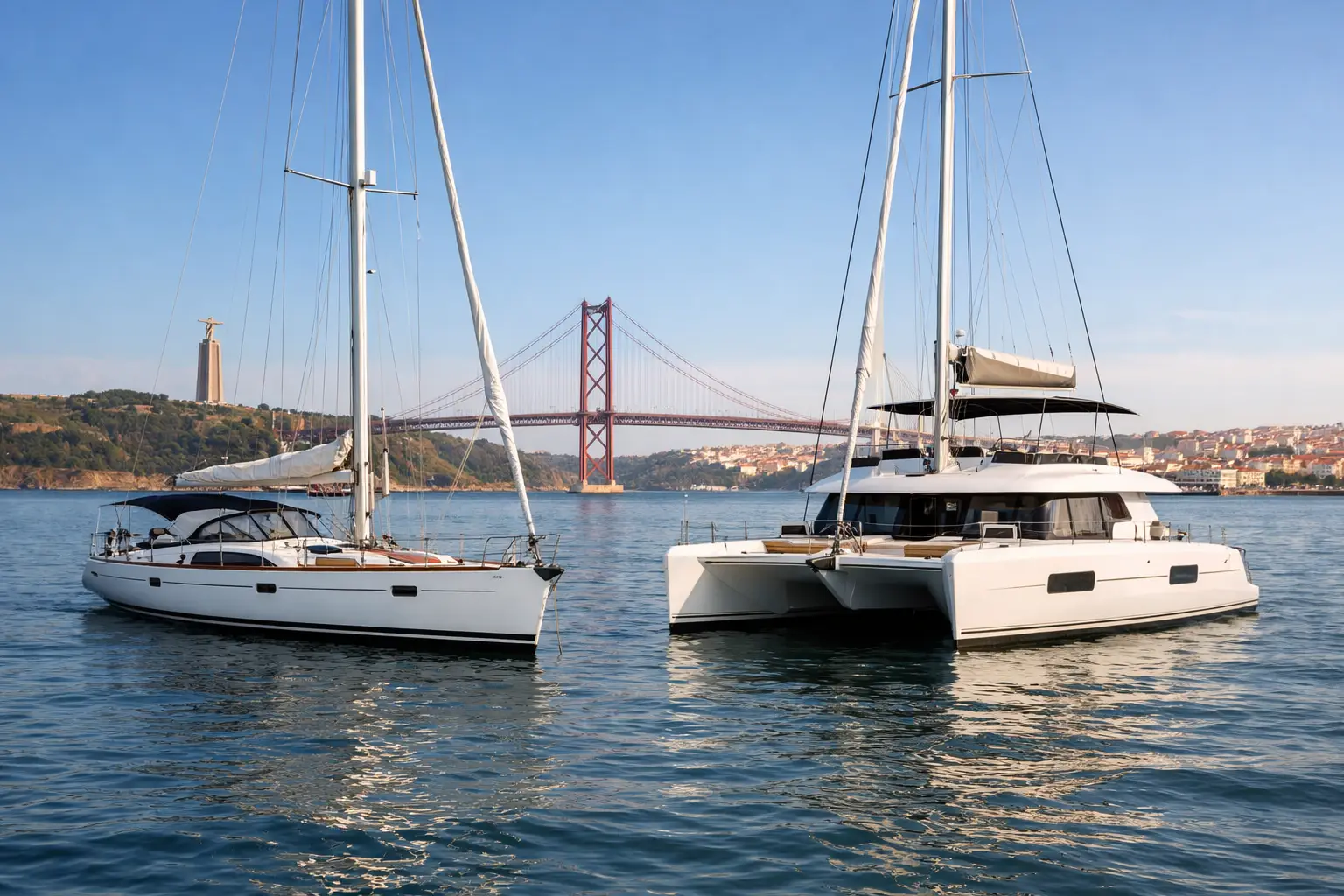
Compare sailboat versus catamaran comfort for a Lisbon cruise, from smooth sailing and space to shade, views, privacy, and the right onboard mood for all.
2022 © Rent a Boat. Resolution of consumer conflicts
Developed by Inovlancer