


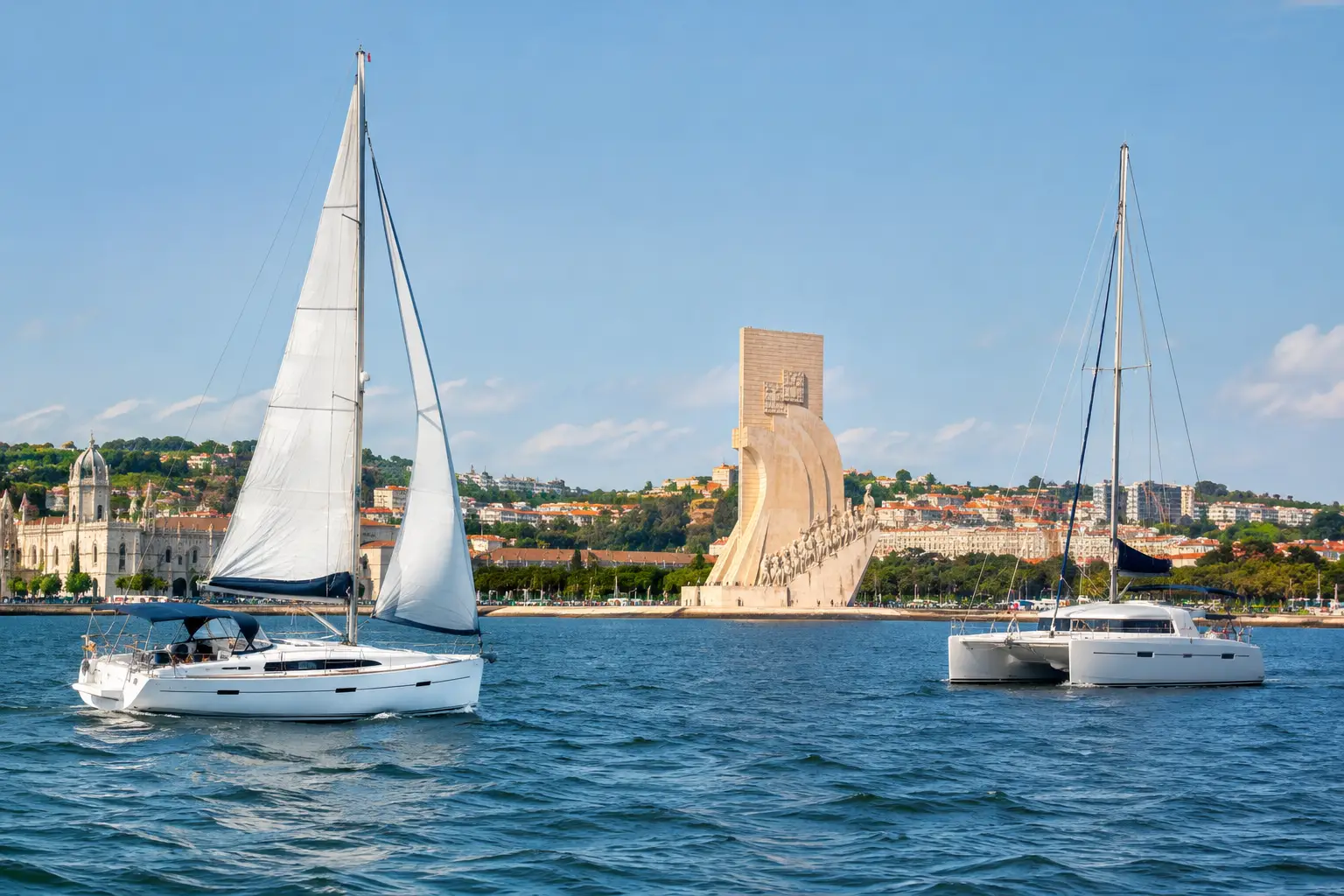
31 de October, 2026
The first time Lisbon opens up from the Tagus, the city feels bigger, brighter, and more cinematic. If you are asking what landmarks appear from water, the answer is not just a checklist of famous sights. It is a moving panorama of historic towers, colorful neighborhoods, monumental bridges, and hills crowned with viewpoints – all seen without traffic, crowds, or a rushed walk uphill.
A river cruise gives you the rare chance to understand how Lisbon grew around the water. Bring your camera, settle into a comfortable seat with a glass of wine, and let the skyline come to you.
What Landmarks Appear From Water on the Tagus?
The route matters. Most Lisbon sightseeing and sunset cruises travel between the historic waterfront near Praça do Comércio and Belém, where Portugal’s Age of Discovery comes vividly into view. On a private charter, the crew can often tailor the pace around the moments your group wants to enjoy most.
Praça do Comércio and the old city waterfront
From the river, Praça do Comércio is one of Lisbon’s grandest arrivals. Its long yellow arcades, open square, and elegant riverside façade were designed to make an impression on visitors arriving by sea. Seen from a sailboat or catamaran, it has the scale and symmetry that can be harder to appreciate from street level.
Look uphill behind the square and you will spot the dense layers of Alfama and the older parts of the city. The domes, tiled roofs, and pale façades rise toward São Jorge Castle, creating one of those unmistakably Lisbon views. At sunset, the warm light catches the hillsides beautifully, while the water reflects the changing colors of the sky.
São Jorge Castle and Lisbon’s seven hills
You may not sail right up to São Jorge Castle, but its position above the city makes it easy to recognize from the Tagus. The castle sits like a lookout over Lisbon’s historic center, with the surrounding hills revealing why the city feels so dramatic on foot.
From the water, those hills become part of the experience rather than an obstacle to navigate. You can take in Alfama, Graça, Mouraria, and the city’s layered skyline in one relaxed view. It is especially rewarding for visitors with limited time, because the river gives you a sense of Lisbon’s geography in a way a bus tour cannot.
Cristo Rei across the river
On the south bank, the Cristo Rei monument stands high above Almada with its outstretched arms facing Lisbon. It is one of the clearest landmarks on the horizon, and it becomes more striking as your boat approaches the 25 de Abril Bridge.
The monument is often compared to Rio de Janeiro’s Christ the Redeemer, but it has its own powerful setting above the Tagus. From the deck, the combination of Cristo Rei, the bridge, and Lisbon’s waterfront creates a photo that immediately says where you are.
The 25 de Abril Bridge
The 25 de Abril Bridge is impossible to miss. Its red structure spans the Tagus between Lisbon and Almada, bringing a bold, modern contrast to the city’s historic architecture. Passing beneath or close to it is a highlight of many cruises, particularly on a sailboat where you can hear the wind, the water, and the city fading into the background.
Its color and suspension design naturally remind many visitors of San Francisco’s Golden Gate Bridge. The comparison is fun, but the setting is completely Lisbon: bright river light, terracotta rooftops, Cristo Rei on the opposite bank, and the Atlantic breeze rolling upriver.
Belém Tower
Belém Tower is the landmark many visitors most want to see from the water – and for good reason. Built in the early 16th century, this ornate stone fortress once helped guard Lisbon’s harbor. It seems to sit at the edge of the river, making its maritime purpose instantly clear when you view it from a boat.
Land-based views can be busy, especially during popular travel months. From the Tagus, you get the clean lines of the tower against the water and sky, plus a perspective close to the one sailors would have known centuries ago. For photographers, the best angle depends on the light, but late afternoon often adds warmth to its pale limestone details.
The Monument to the Discoveries
Just beyond Belém Tower, the Monument to the Discoveries rises from the waterfront like the prow of a ship. It honors the explorers, navigators, mapmakers, and royal figures associated with Portugal’s maritime history. From the river, its ship-shaped silhouette makes immediate sense.
The monument is particularly impressive when approached by boat because it faces the water it commemorates. A knowledgeable local crew can point out its position in the story of Belém, turning a beautiful view into something more meaningful without making the cruise feel like a lecture.
Jerónimos Monastery and Belém’s waterfront
Jerónimos Monastery sits farther inland than the tower, so its details are less direct from the water. Still, its long roofline and pale stone presence help define the Belém skyline, especially from the right section of the river. It is a reminder that this district is not simply a collection of monuments – it is a place shaped by trade, travel, faith, and the sea.
The nearby MAAT museum also adds a distinctly contemporary curve to the waterfront. Its low, wave-like architecture looks especially interesting from a catamaran or sailboat, where the building appears to grow out of the riverbank.
Why Lisbon Looks Different From a Boat
Lisbon was built to face the Tagus, but many visitors experience it with their backs to the river while moving between neighborhoods, museums, and restaurants. A cruise reverses that perspective. The water creates distance, and that distance reveals the full shape of the city.
You see how the historic center climbs from the waterfront. You notice the contrast between the old port, the monumental Belém district, and the lively modern riverfront. You also gain a quiet break from the energy of sightseeing days, without losing the feeling that you are seeing something special.
That is why a cruise works for so many different kinds of travelers. Couples can enjoy a romantic sunset and wine on deck. Families get an easy, open-air sightseeing experience. Friends have room to relax, take photos, and celebrate the trip. Corporate groups can exchange meeting rooms for a setting that actually starts conversations.
The Best Time to See Lisbon’s River Landmarks
Morning cruises tend to offer gentler light, fresh air, and a calmer feeling on the river. They are a smart choice for travelers who want clear photos and still have the afternoon free for exploring.
Late afternoon and sunset are the most atmospheric times to sail. As the sun lowers behind the river, the façades along the hills glow gold, Belém takes on a softer tone, and the bridge becomes a dramatic frame against the sky. The exact colors depend on the season and weather, but the transition from daylight to twilight is always part of the magic.
Private experiences offer the most flexibility if your group has a specific plan, whether that means celebrating with catered food and chilled drinks, focusing on photography, or simply enjoying more space and privacy. A shared sightseeing cruise, meanwhile, can be a wonderful choice when you want the same landmark views with a social, easygoing atmosphere.
Make the Most of the View
Wear a light extra layer, even in warm weather. The Tagus breeze can feel cooler once the boat is moving, particularly near sunset. Choose sunglasses for daytime trips, keep your phone or camera ready, and do not spend the entire cruise looking through a screen. Some of Lisbon’s best views are the ones you remember because you paused to enjoy them.
If you want landmark stories as well as landmark photos, choose an experience with an experienced local crew. They know when the bridge will frame the skyline, which side of the boat gives the best view of Belém Tower, and when to let the moment speak for itself. With Rent a Boat, the journey is designed to feel personal, relaxed, and unmistakably Lisbon.
The city has countless beautiful streets, but the Tagus gives them their proper backdrop. Save a little time for the water, raise a glass as the skyline glows, and let Lisbon make its entrance the way it was meant to be seen.
You might also like:
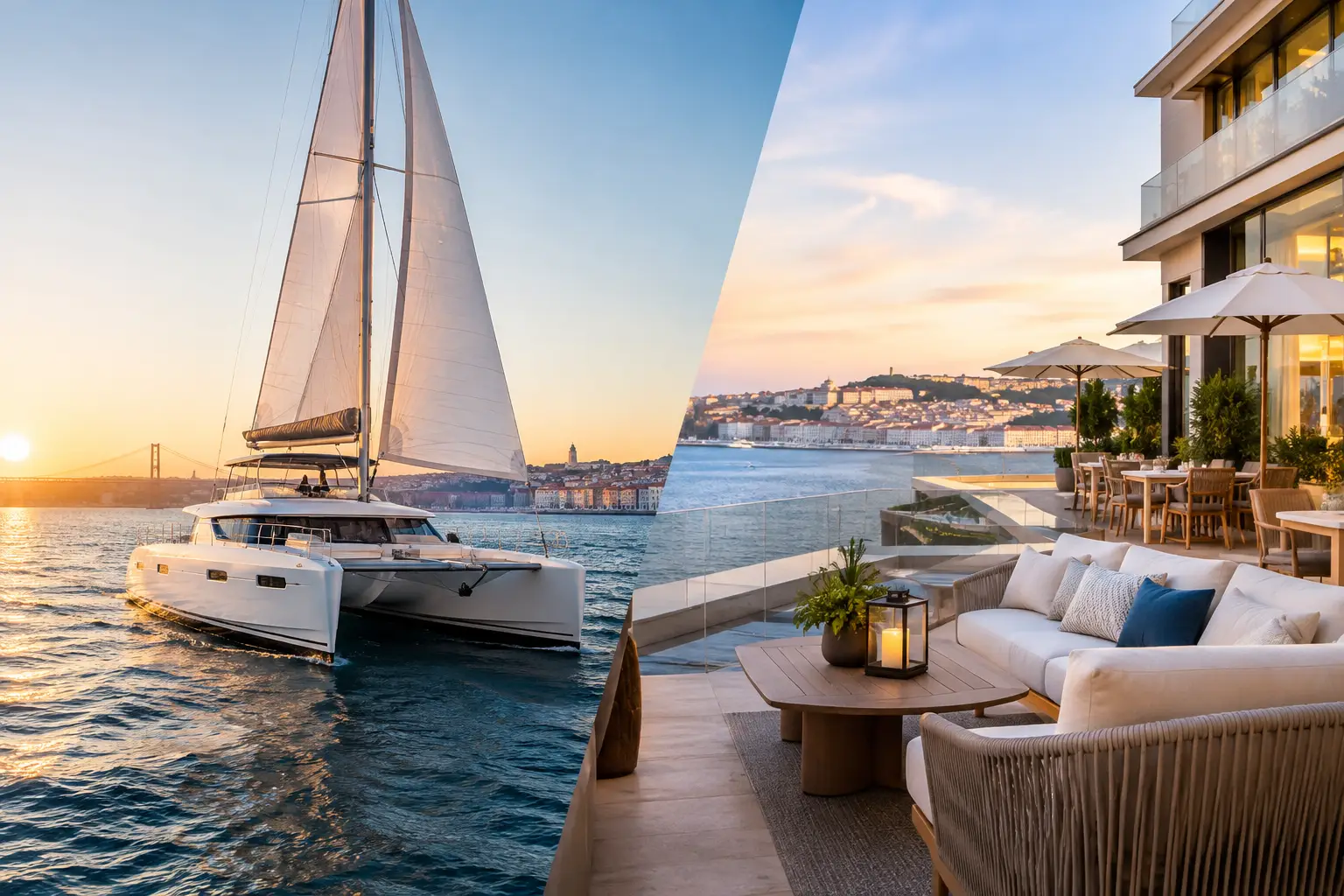
Private Yacht or Hotel Venue for Your Lisbon Event
5 de November, 2026
Choosing a private yacht or hotel venue in Lisbon? Compare atmosphere, privacy, views, service, and planning needs for an unforgettable event by the water.
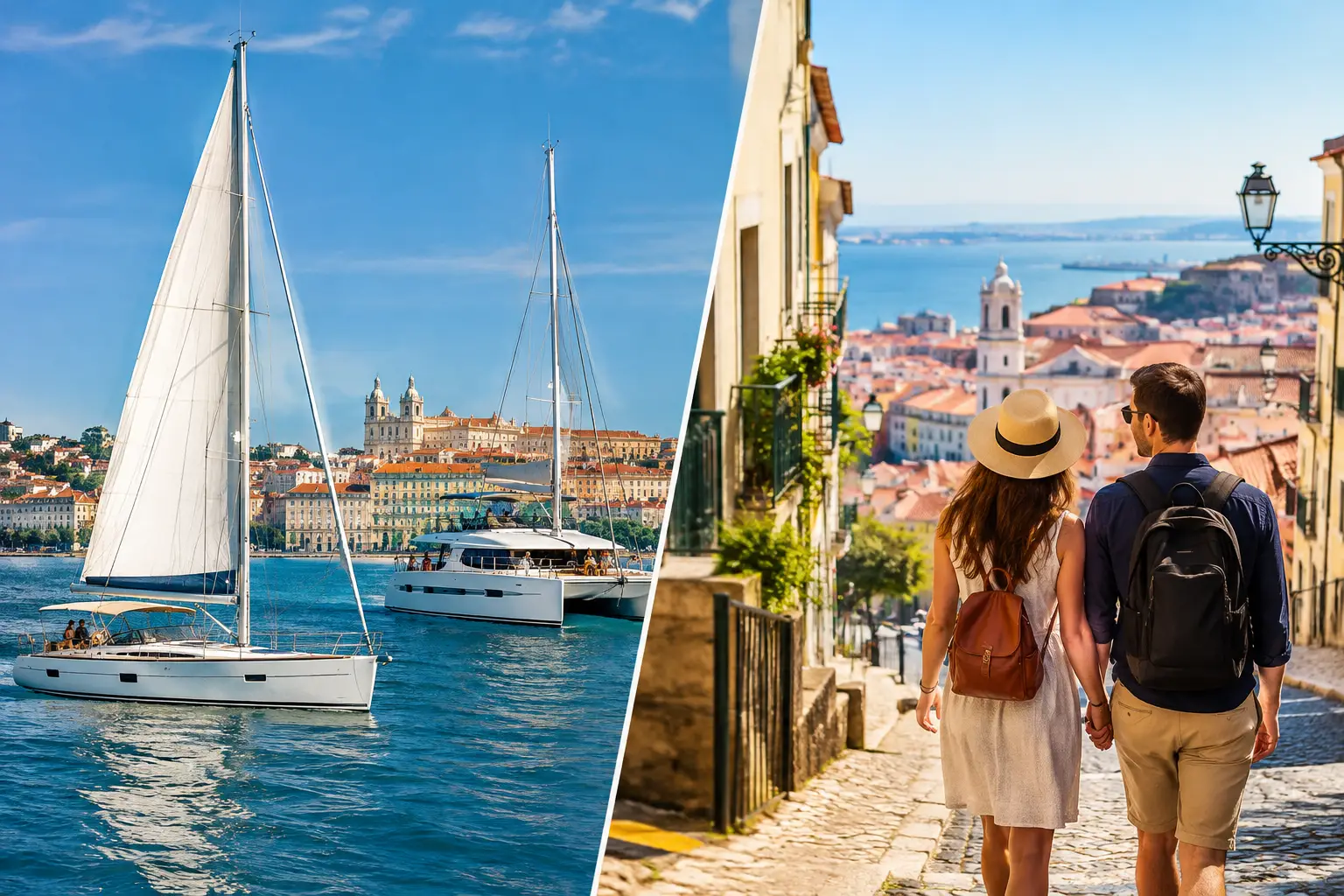
Boat Tours Versus Walking Tours in Lisbon
4 de November, 2026
Boat tours versus walking tours in Lisbon: compare views, comfort, pace, and local atmosphere to choose the experience that fits your trip beautifully.
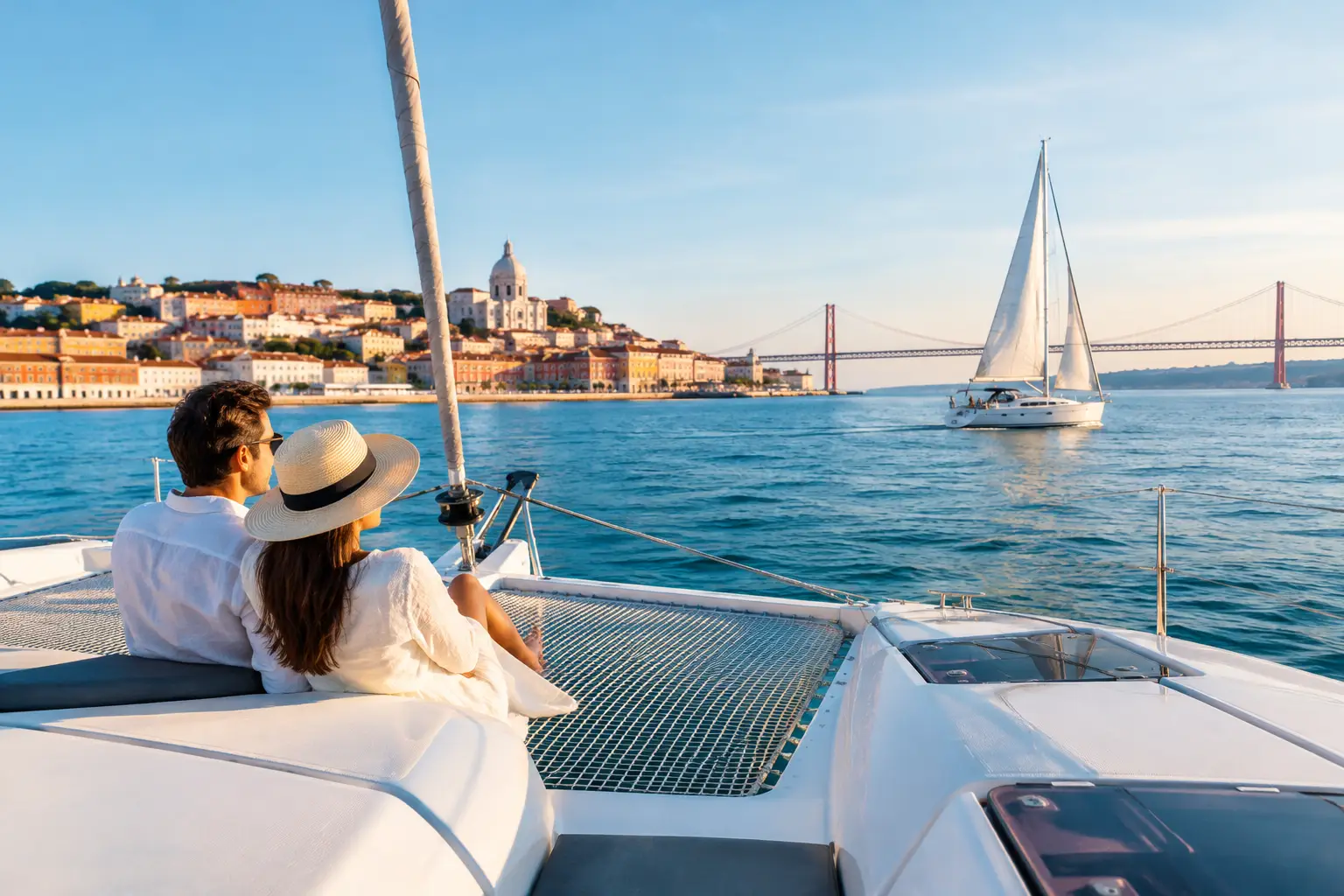
Are Lisbon Boat Tours Safe? What to Expect
3 de November, 2026
Are Lisbon boat tours safe? Learn how crews, weather checks, safety gear, and calm Tagus routes help you enjoy Lisbon from the water with confidence today.
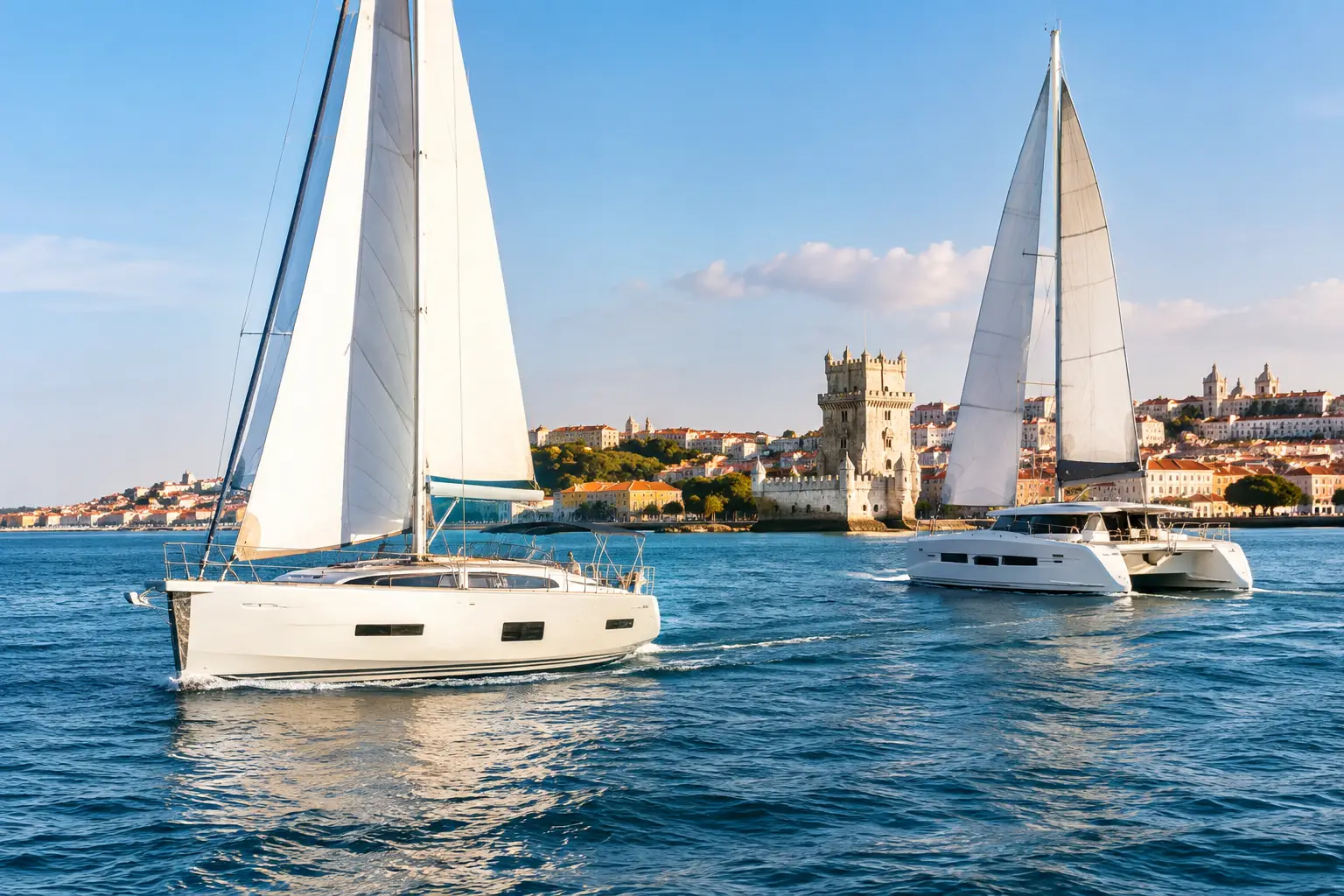
Winter Sailing Lisbon Guide for Sunny Days
2 de November, 2026
Our winter sailing Lisbon guide covers weather, what to wear, river views, and how to choose a cozy shared or private Tagus cruise with local hosts.
Boat Tour Ratings: What Travelers Should Look For
1 de November, 2026
Boat tour ratings reveal more than a star score. Learn how to spot great crews, comfortable boats, and Lisbon cruises worth your vacation time on the Tagus.
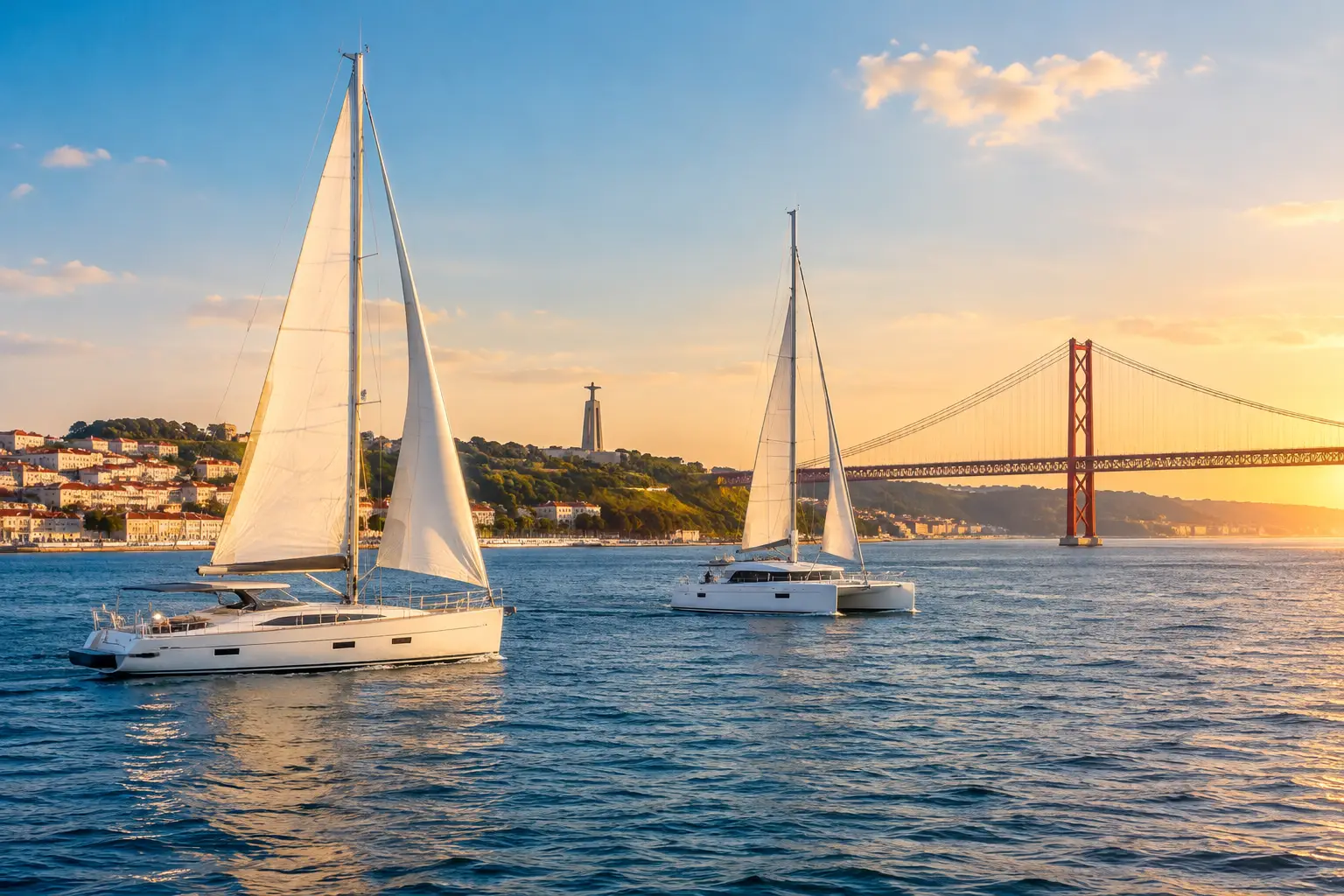
Tagus River Landmark Viewing Guide for Lisbon
30 de October, 2026
Our Tagus River landmark viewing guide reveals Lisbon’s finest waterfront sights, ideal cruise timing, photo angles, and the right boat experience for you.
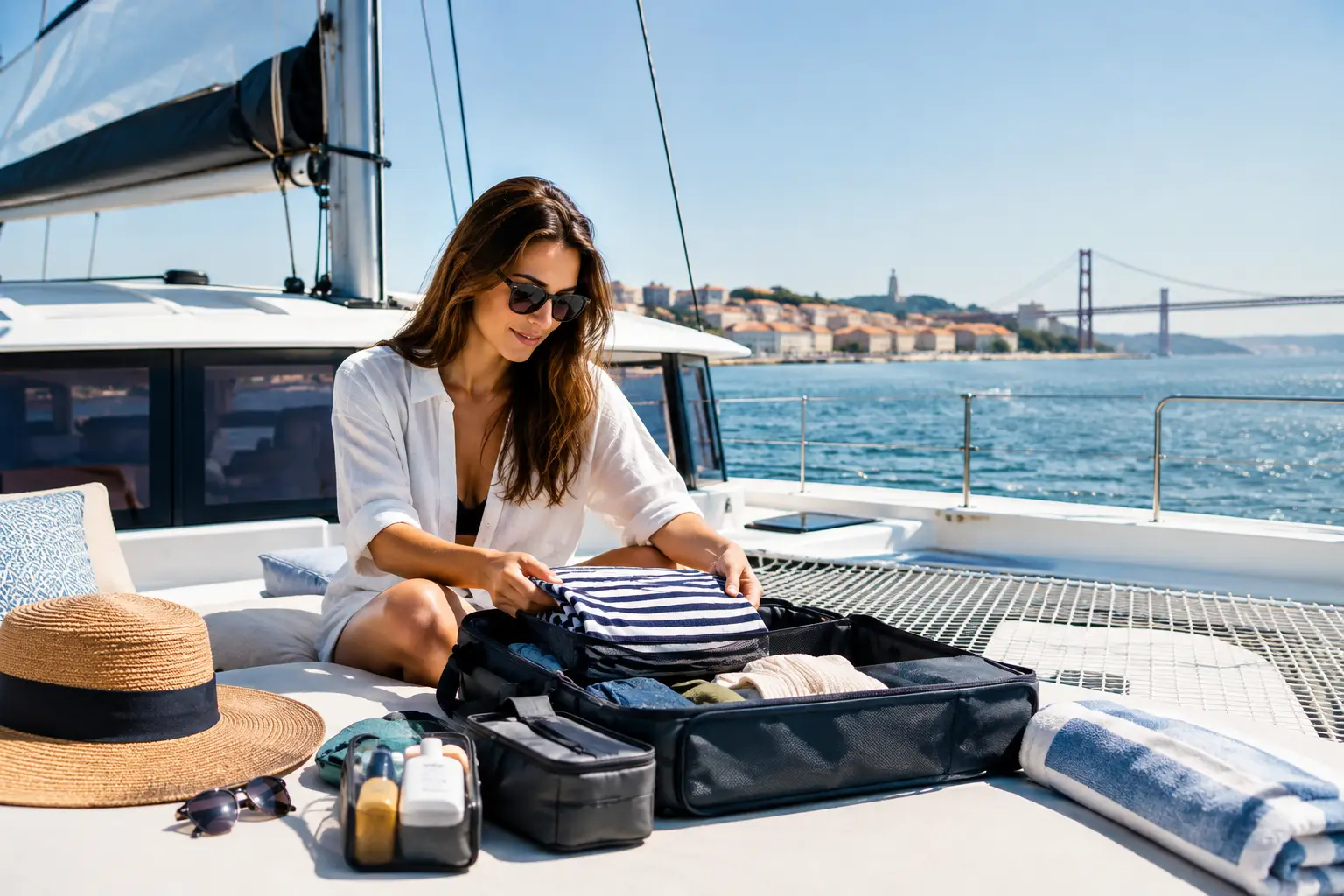
How to Pack for Catamaran Comfort in Lisbon
29 de October, 2026
Learn how to pack for catamaran comfort in Lisbon, with smart layers, soft bags, sun protection, and a few essentials for a relaxed cruise on the Tagus.
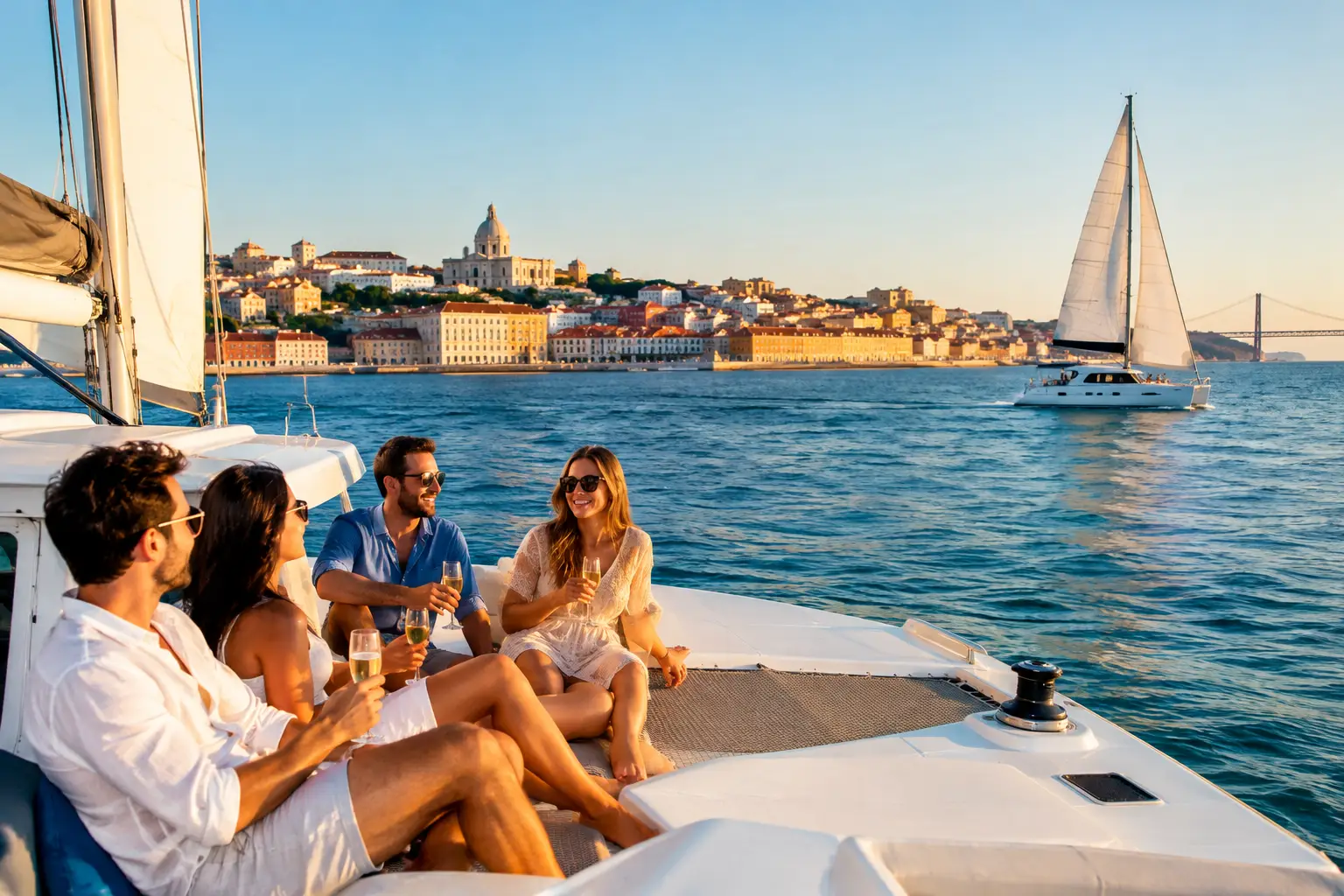
Best Group Cruises Lisbon for Every Celebration
28 de October, 2026
Find the best group cruises Lisbon offers, from relaxed shared sails to private catamarans, with sunset views, wine, and attentive local hosts aboard.
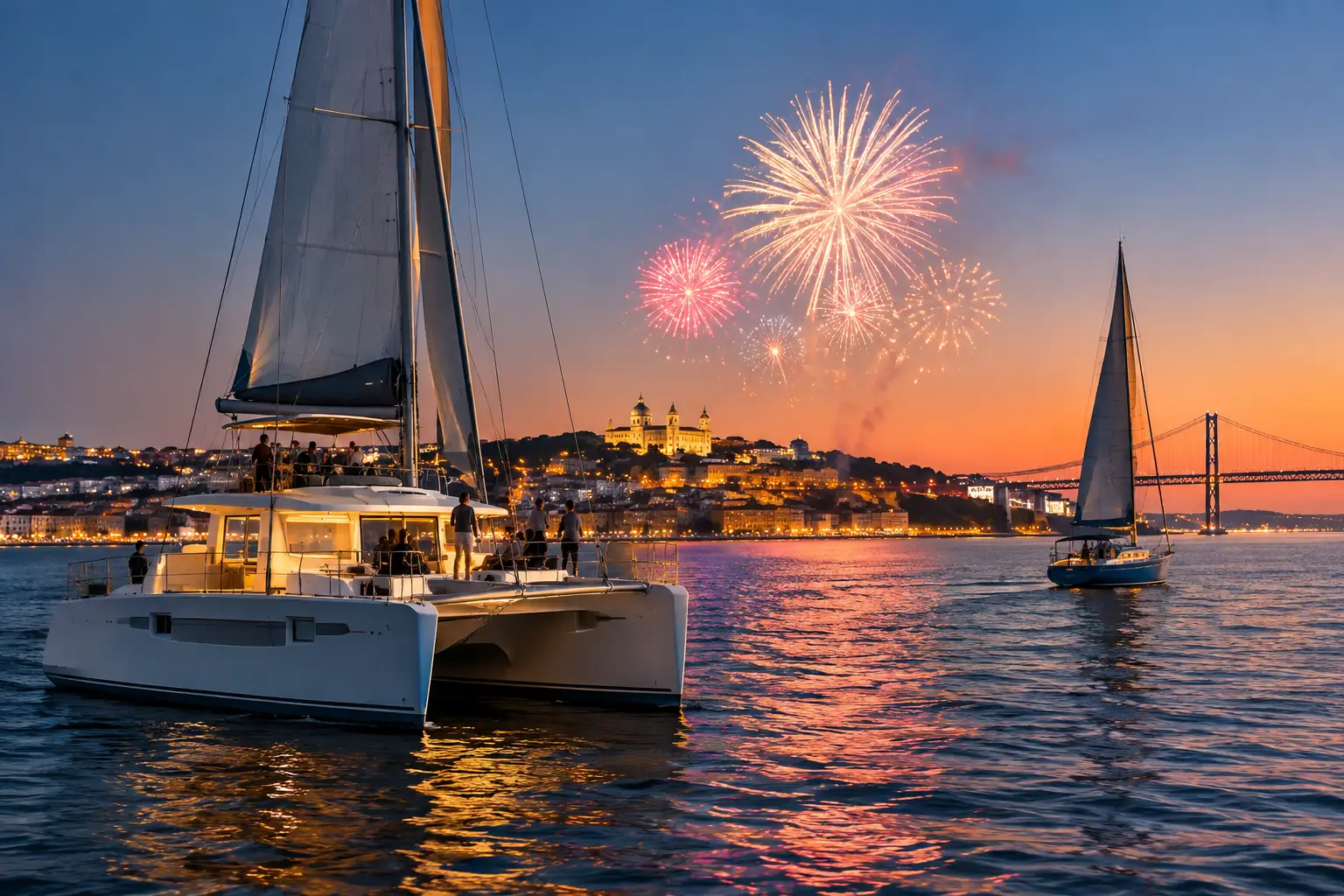
NYE in Lisbon – Boat Cruise for Fireworks
27 de October, 2026
Plan a magical nye in lisbon – boat cruise with skyline views, drinks, music, and front-row fireworks on the Tagus. Reserve your New Year’s Eve place early.
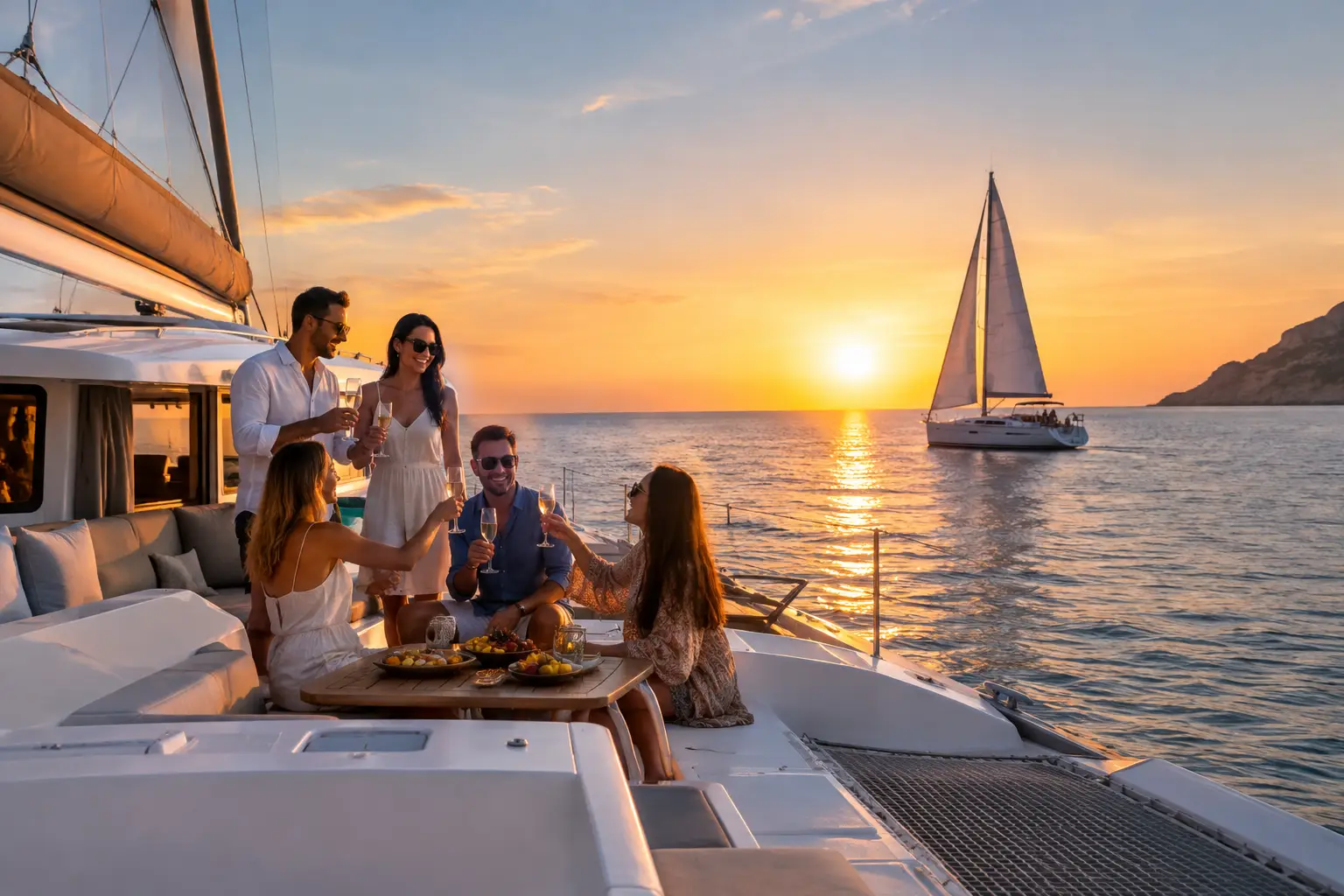
How to Plan a Boat Celebration at Sunset
26 de October, 2026
Learn how to plan a boat celebration in Lisbon, from choosing the right boat and guest list to sunset timing, food, music, and key details.
2022 © Rent a Boat. Resolution of consumer conflicts
Developed by Inovlancer