


29 de September, 2026
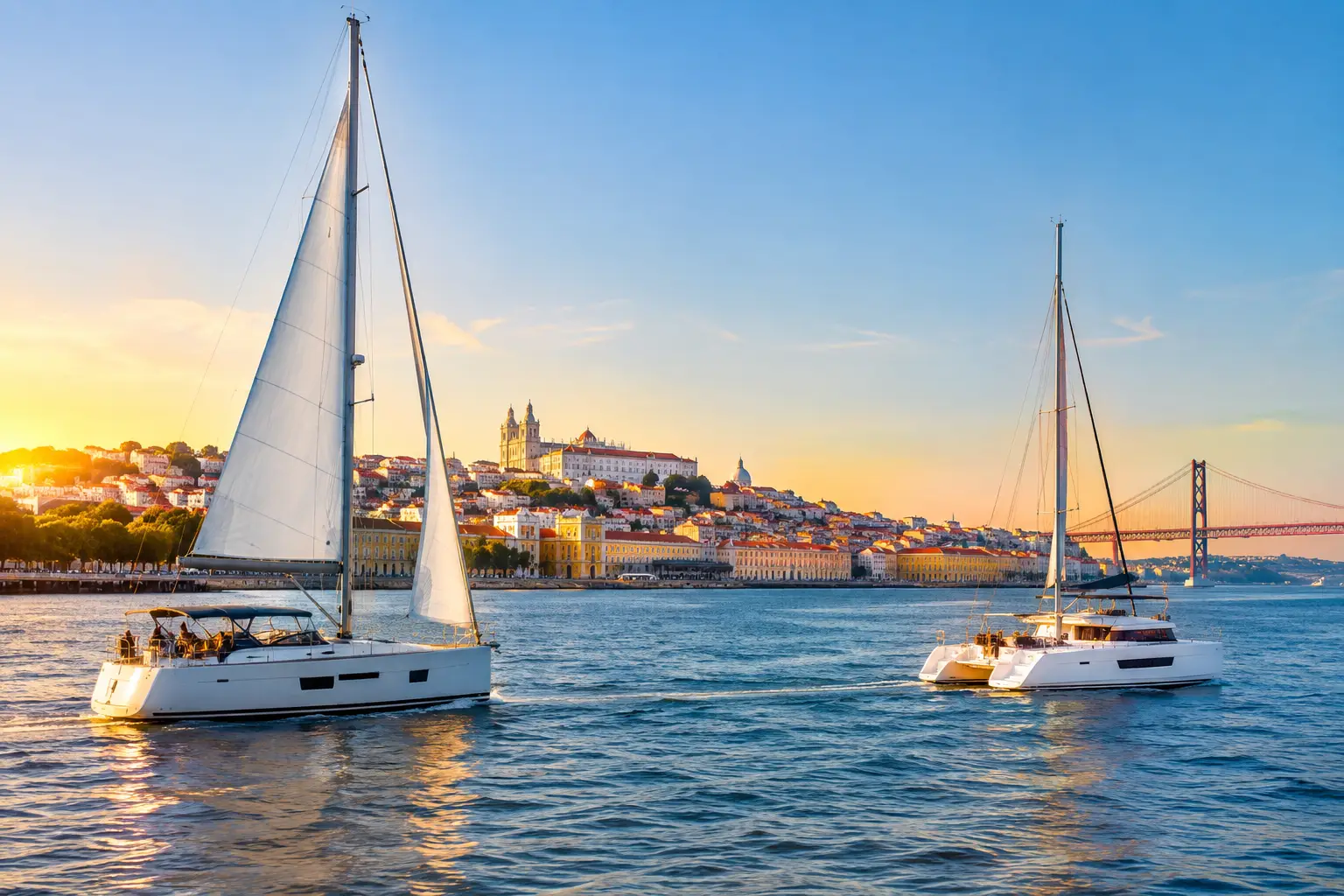
Lisbon was built to face the River Tagus, yet many visitors only glimpse it between tram stops, tiled facades, and hilltop viewpoints. The best river landmarks from water reveal a wider, calmer version of the city: historic monuments framed by open sky, the bridge rising overhead, and the old waterfront glowing as the sun drops toward the Atlantic.
A cruise is not simply a different way to get a photo. It changes the pace. From the deck of a sailboat or catamaran, Lisbon’s landmarks line up in a story of explorers, trade, royal ceremonies, and the city’s modern creative energy. Here are the riverside sights worth watching for, plus a few practical details that make a Tagus experience even better.
Best River Landmarks From Water in Lisbon
Belém Tower
Belém Tower is the landmark many travelers come to see from the river, and for good reason. Built in the early 16th century as part of Lisbon’s river defense system, it has the romantic silhouette of a stone fortress placed at the edge of the water. From land, crowds and nearby paths can make it feel smaller than expected. From a boat, its position makes sense immediately.
The tower was once much farther out in the river, guarding the entrance to Lisbon alongside other defenses. Seeing it from the Tagus gives you the perspective sailors would have had as they arrived in Portugal’s great Age of Discoveries. Bring your camera, but take a moment without it too. The carved limestone details and the movement of the water make this one of Lisbon’s most memorable views.
Monument to the Discoveries
A little farther along the Belém waterfront, the Monument to the Discoveries rises like the prow of a ship. Its sculpted figures honor the navigators, cartographers, monarchs, and missionaries associated with Portugal’s maritime expansion.
From the water, the monument’s intended shape is especially clear. It looks ready to set sail, facing the broad river that carried Portuguese ships toward the ocean. It is a powerful photo stop in daytime, but the warm late-afternoon light often gives the pale stone its best color. A crew with local knowledge can point out details that are easy to miss from shore.
MAAT and the Belém Waterfront
Lisbon does not only look backward from the river. The curving white form of MAAT, the Museum of Art, Architecture and Technology, gives the waterfront a striking modern contrast to Belém’s historic monuments. Its low profile and wave-like roof are designed to reflect light, so it changes character throughout the day.
This is one of the pleasures of sailing through Belém: centuries sit side by side. You may see the ornate Jerónimos Monastery behind the trees, MAAT’s contemporary architecture close to the shore, and sailboats crossing the Tagus in front of both. It is a far more layered view than a single stop on a sightseeing route.
The 25 de Abril Bridge
The 25 de Abril Bridge is Lisbon’s great arrival moment on the water. Its red-painted steel structure is often compared to San Francisco’s Golden Gate Bridge, though its scale and setting above the Tagus are entirely Lisbon. As your boat approaches, the bridge fills the view and makes even a large catamaran feel pleasantly small.
Passing beneath it is a highlight for couples, families, and groups alike. Look up as the deck and cables stretch above you, then look across to the towering Cristo Rei monument on the south bank. The experience depends on the time of day. Clear blue skies create a crisp, architectural image, while sunset can turn the bridge, river, and city skyline into a wash of gold, rose, and deep blue.
Cristo Rei
Across the river in Almada, Cristo Rei stands high above the southern bank with open arms facing Lisbon. It was inspired by Rio de Janeiro’s Christ the Redeemer, but its position overlooking the Tagus gives it a character all its own.
From central Lisbon, the monument can appear distant. From the river, particularly near the bridge, you understand its scale and its relationship with the city. It is one of the best reminders that a Tagus cruise gives you two waterfronts to enjoy, not one. The Lisbon shore offers palaces, plazas, and old neighborhoods; the Almada side provides sweeping hillsides, waterfront restaurants, and open views back to the capital.
Praça do Comércio and the Arco da Rua Augusta
As you continue toward central Lisbon, Praça do Comércio comes into view as a grand yellow-and-white riverfront square. This was once the ceremonial gateway to the city, where dignitaries, merchants, and visitors arriving by ship first stepped ashore. Its open layout still feels made for a river approach.
The Arco da Rua Augusta stands at the square’s northern side, leading into the Baixa district. From a boat, you can appreciate the clean symmetry of the square, the wide promenade, and the contrast between the formal city center and the constantly moving river. It is especially beautiful near sunset, when the waterfront buildings catch the last direct light.
Alfama’s Hillside Skyline
Lisbon’s oldest neighborhood does not sit directly at the waterline, but its hillside profile is one of the city’s defining river views. From the Tagus, the layered roofs and pastel buildings of Alfama climb toward São Jorge Castle, creating the postcard panorama many travelers hope to find.
This is a view that rewards slowing down. Rather than trying to identify every church dome or lookout point, watch the city unfold from low waterfront buildings to steep streets and castle walls. In the evening, the lights begin to appear across the hills, and Lisbon takes on a softer, more intimate atmosphere.
When to See Lisbon’s River Landmarks
A daytime sightseeing cruise offers the clearest architectural views, particularly if you enjoy photography and want sharp detail against a blue sky. A sunset cruise creates a different kind of memory. The landmarks become part of a changing scene, with the light reflecting across the Tagus and the city skyline gradually turning luminous.
Neither option is automatically better. It depends on your plans and the feeling you want. Families with young children may prefer an earlier sailing, while couples and friends often choose sunset for the atmosphere, music, and a glass of wine on deck. Private charters are also ideal when you want to set the pace around a celebration, a proposal, or an important group occasion.
Routes can vary slightly with river conditions, departure point, wind, and the length of your experience. That is part of what makes sailing feel real rather than staged. An experienced skipper will always prioritize comfort and safety while making sure you enjoy the river’s standout views.
Make the Most of Your Tagus Cruise
Wear a light extra layer, even in warmer months. Lisbon can be hot on land while the breeze on the Tagus feels cooler, especially after sunset. Choose comfortable shoes with good grip, secure your hat if it is windy, and keep your phone ready without spending the entire cruise behind the screen.
For photos, the best approach is simple: take a few wide shots that include water and sky, then put the camera down when you pass beneath the bridge or reach Belém. The scale of these places is difficult to capture fully, and the best part is being there with the river moving around you.
A shared sailing experience is a wonderful choice for travelers who want a relaxed social atmosphere, while a private sailboat or VIP catamaran gives your group more space and flexibility. With Rent a Boat, you can enjoy Lisbon with a welcoming crew, comfortable hospitality, and the kind of waterfront perspective that turns a sightseeing day into the experience of a lifetime.
When Lisbon’s hills begin to glow and the Tagus catches the final light, stay on deck a little longer. The city is at its most generous when viewed from the water.
You might also like:
Plan a Conference Networking Cruise in Lisbon
22 de October, 2026
Plan a conference networking cruise in Lisbon with sunset views, hosted drinks, and relaxed space for conversations your guests will remember long after.
Best NYE in Lisbon for a Night to Remember
21 de October, 2026
Plan the best NYE in Lisbon with fireworks, river views, wine, and a relaxed private or shared cruise on the Tagus. Make midnight unforgettable for all.
Corporate Cruise Planning Guide Lisbon in 7 Steps
20 de October, 2026
This corporate cruise planning guide Lisbon teams can use covers boats, timing, guest comfort, catering, and contingencies for a memorable event afloat.
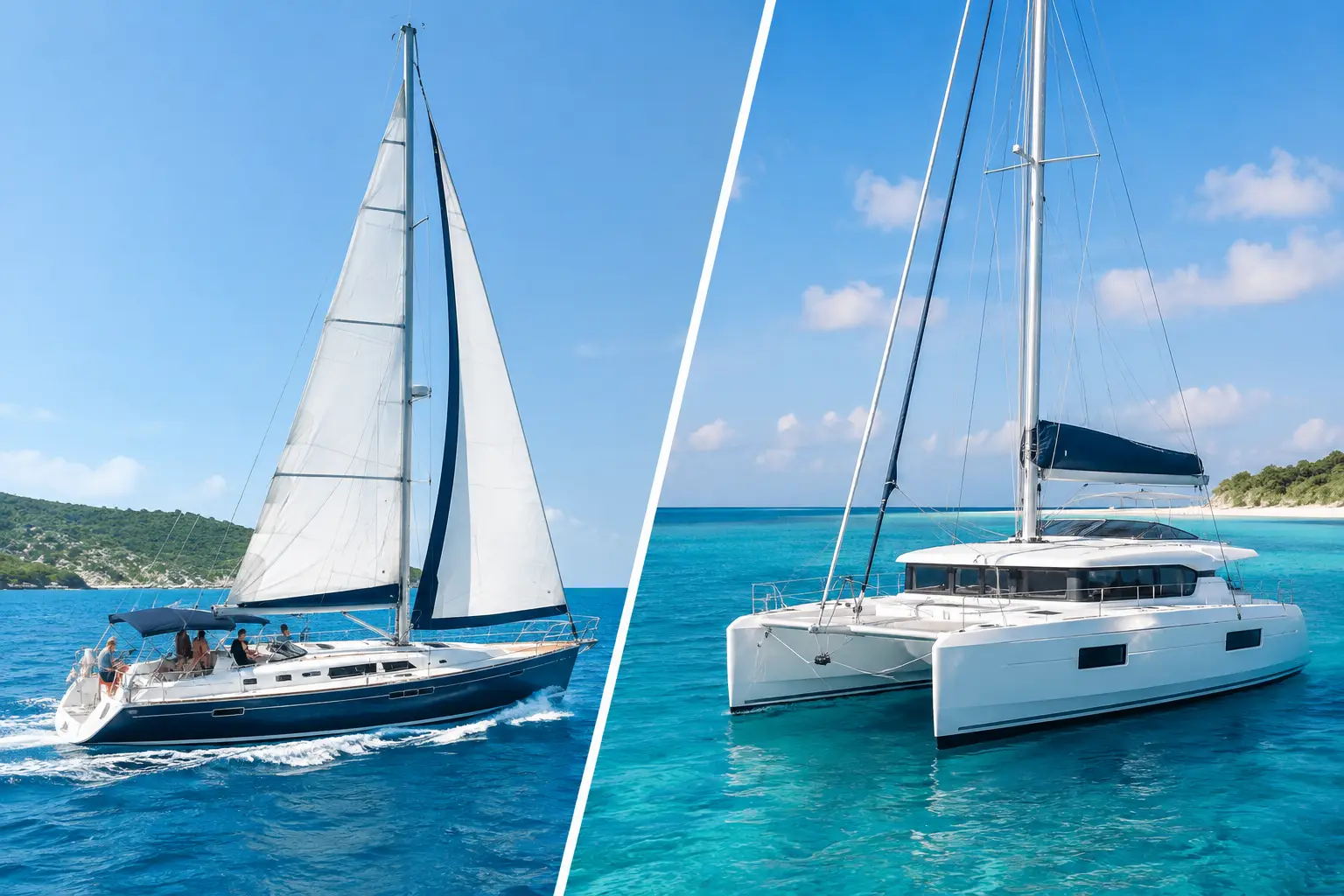
Shared Cruise vs Private Charter: Which Fits?
19 de October, 2026
Compare a shared cruise vs private charter in Lisbon and choose the right Tagus experience for your sunset, celebration, family, or group with confidence.
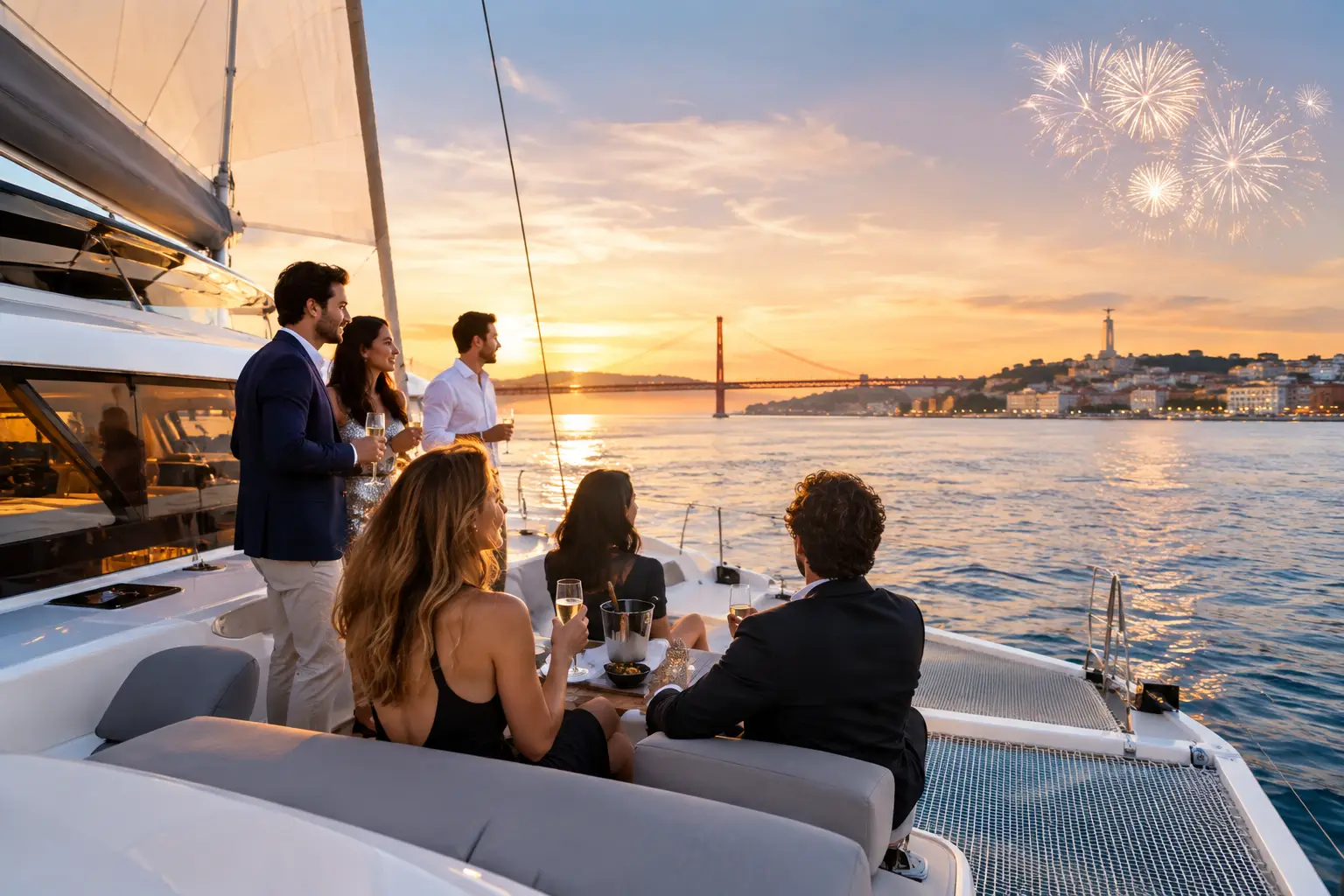
Celebrate NYE on a Luxury Catamaran in Lisbon
18 de October, 2026
Plan NYE on a luxury catamaran in Lisbon with skyline views, warm hospitality, drinks, music, and a front-row place for midnight fireworks on the Tagus.

Team Building on a Luxury Catamaran in Lisbon
17 de October, 2026
Plan team building on a luxury catamaran in Lisbon with skyline views, relaxed hospitality, and a private River Tagus cruise your team will remember again.
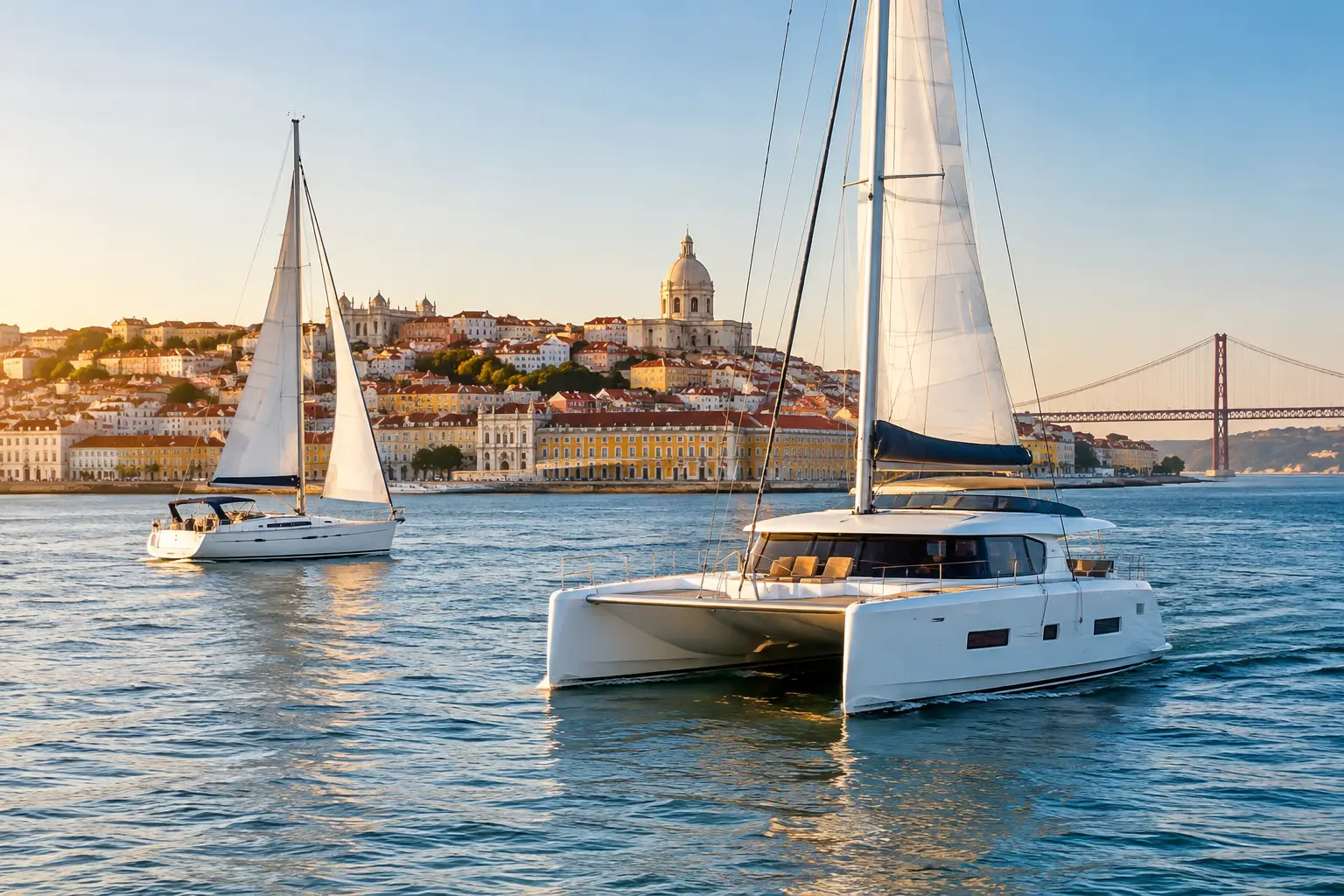
How to Select Cruise Departure Times in Lisbon
16 de October, 2026
Learn how to select cruise departure times in Lisbon for sunset views, calm water, easy travel plans, and the right shared or private boat experience.
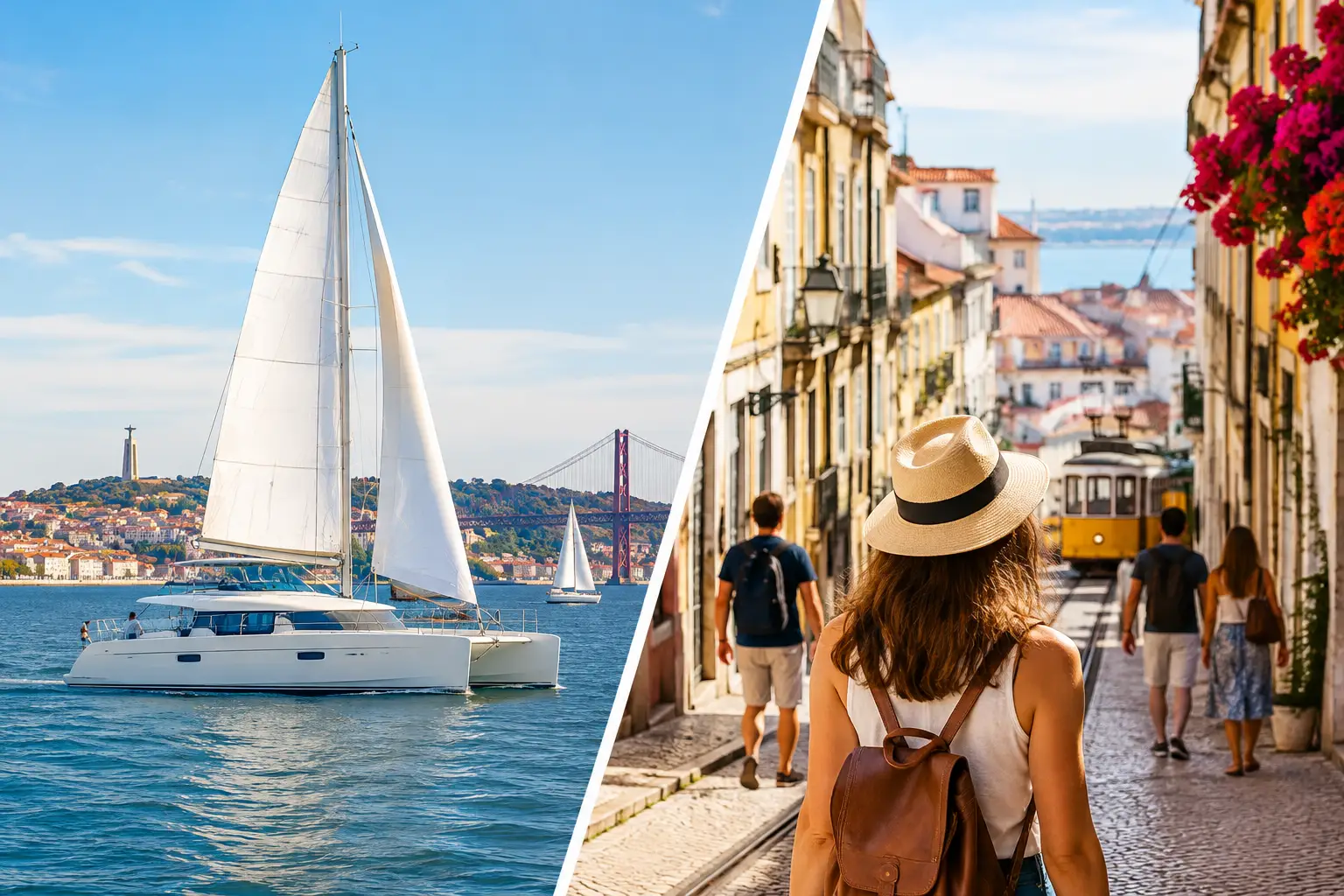
River Cruise Versus Walking Tour in Lisbon
15 de October, 2026
River cruise versus walking tour in Lisbon: compare views, pace, comfort, and local atmosphere to choose the experience that suits your Lisbon trip best.
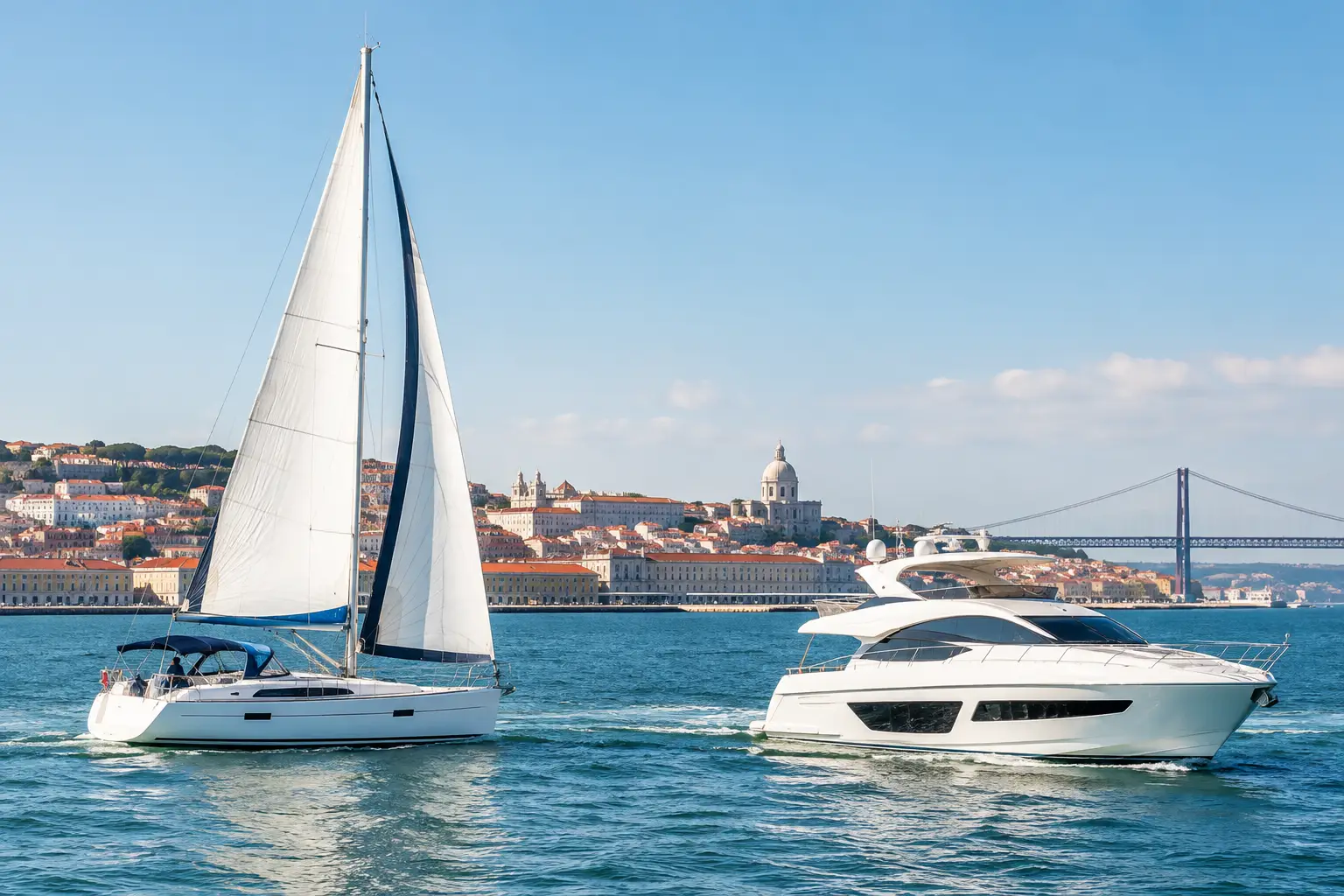
Sailboat Versus Motorboat Experience in Lisbon
14 de October, 2026
Compare the sailboat versus motorboat experience in Lisbon to choose the right river cruise for sunset, sightseeing, celebrations, and comfort aboard.
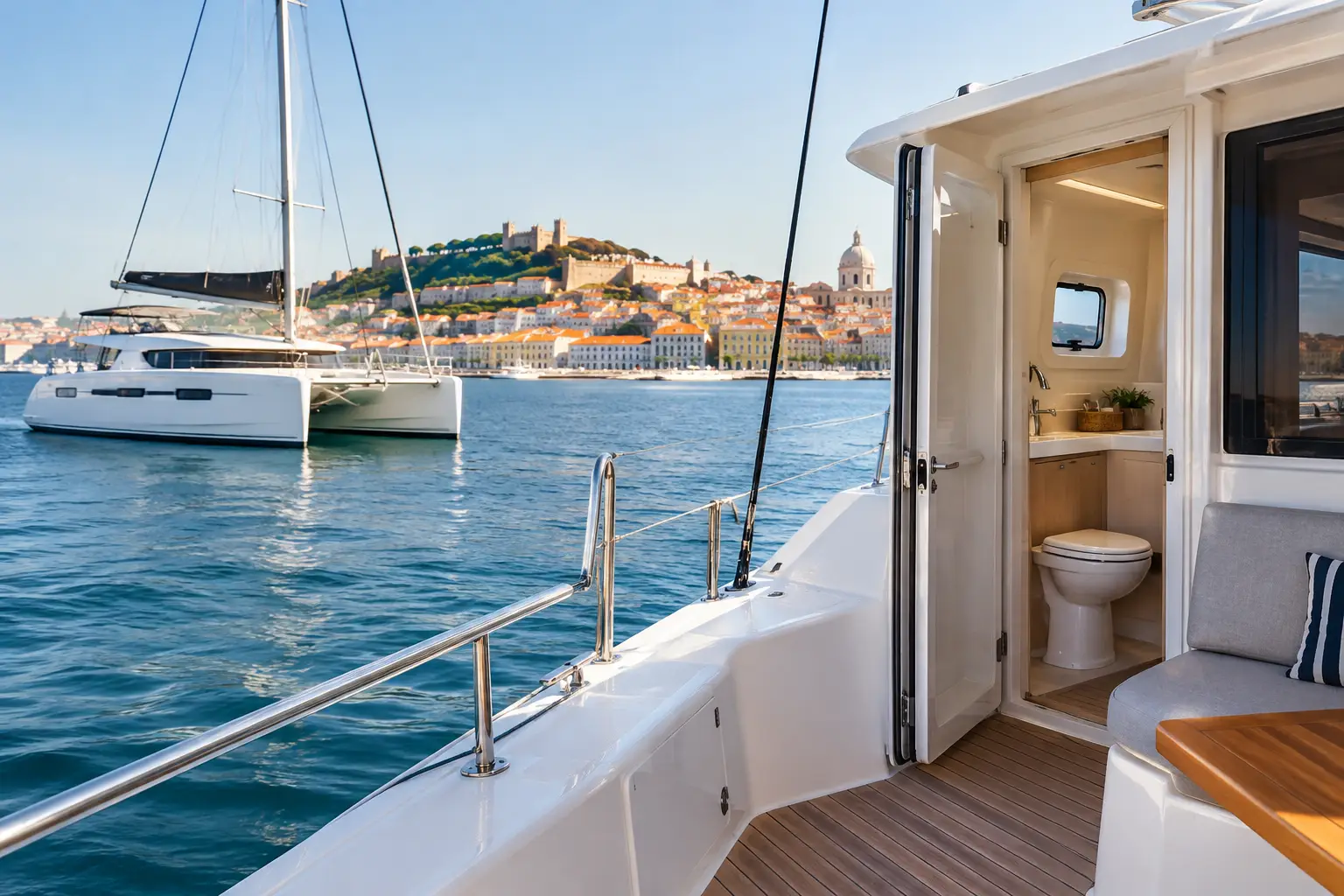
Boat Toilet Availability: What to Expect in Lisbon
13 de October, 2026
Boat toilet availability matters when choosing a Lisbon cruise. See which boats have restrooms, what to ask before boarding, and how to plan in comfort.
2022 © Rent a Boat. Resolution of consumer conflicts
Developed by Inovlancer