


25 de September, 2026
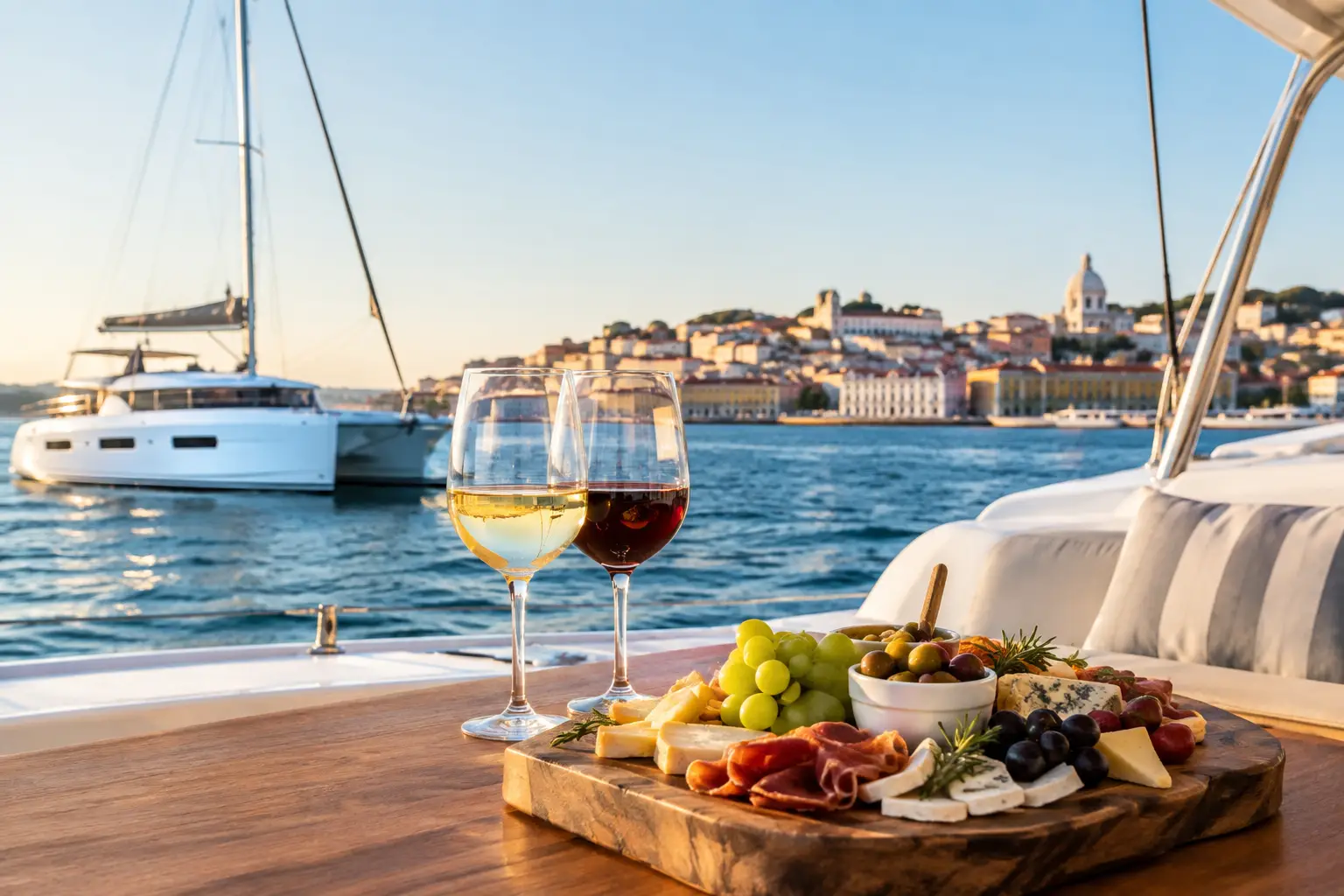
A glass of Portuguese wine tastes different when the Belém Tower is slipping behind you, the Tagus is turning gold, and dinner is a plate of just-made bites rather than a reservation you have to rush to keep. The best top onboard wine pairing ideas are not about formal rules. They are about choosing flavors that feel fresh, easy to serve, and perfectly suited to a relaxed Lisbon cruise.
On the water, light wins. Your food needs to travel well, your wine needs to stay refreshing, and nobody should need a knife, a complicated sauce, or a lecture on tannins to enjoy it. Whether you are planning a romantic sunset sail, a private catamaran celebration, or a polished corporate event, the right pairing turns good hospitality into an incredible and unforgettable experience.
Top onboard wine pairing ideas for a Lisbon cruise
Lisbon and Portuguese wine make a natural match because the city sits so close to the Atlantic. Seafood, bright citrus, olive oil, herbs, local cheeses, and crisp wines all belong together. Start with the mood of your cruise, then build the menu around that rather than trying to recreate a formal restaurant meal onboard.
Vinho Verde with shrimp, ceviche, or salty snacks
A chilled Vinho Verde is one of the smartest choices for daytime sightseeing cruises and warm-weather sunset departures. It is typically light, zesty, and gently refreshing, with enough acidity to lift shrimp, crab, oysters, ceviche, and lightly fried seafood.
For a simple shareable spread, pair it with shrimp skewers, lemony seafood cups, roasted almonds, and potato chips with sea salt. That last option may sound casual, but salty crisps and a cold, bright white wine are exactly the kind of low-effort luxury that works beautifully on deck. It also gives guests something easy to enjoy while taking photos and moving around the boat.
Portuguese sparkling wine with canapés at departure
Sparkling wine sets the tone before the boat has even left the marina. It feels celebratory without demanding a full meal, making it ideal for birthday cruises, welcome drinks for corporate groups, and couples beginning a private sail.
Serve it with smoked salmon blinis, soft cheese crostini, gougères, or delicate pastries filled with cream cheese and herbs. Bubbles cut through rich, creamy textures and keep the first course feeling light. If the group includes guests who usually choose Champagne, a quality Portuguese sparkling wine offers the same festive energy with a local point of view.
The timing matters. Pour the first glasses shortly after guests step aboard, before the skyline starts opening up. It creates an immediate sense that this is not simply a boat ride. It is their Lisbon moment.
Alvarinho with grilled fish and citrus
If your onboard menu includes grilled sea bass, cod, scallops, or a beautiful fish taco bar, reach for Alvarinho. This Portuguese white has more texture and depth than a very light wine, yet it remains fresh enough for a sunny river cruise.
Its subtle stone-fruit and citrus character is especially good with dishes that use lemon, lime, coriander, parsley, or a gentle chili kick. Think grilled fish skewers with herb sauce, small cod cakes, or warm scallops with a squeeze of lemon. The pairing feels elevated, but guests can still eat it comfortably with one hand while the other holds a glass.
Avoid heavy cream sauces here. They can feel too rich as the boat moves and temperatures stay warm. A clean preparation lets the fish, the wine, and the river air do the work.
Rosé with charcuterie, fruit, and sunset bites
Rosé is made for the hour before sunset. Its color looks fantastic in photographs, its fruit-forward style appeals to a wide range of guests, and it can handle both savory and slightly sweet dishes. For friends sharing a sunset sail, it is one of the easiest crowd-pleasers.
Build a board with prosciutto, mild cheeses, dried apricots, strawberries, grapes, toasted nuts, and good bread. Add a few savory pastries or mini quiches if guests need something more substantial. A dry rosé is best when the board includes cured meats and salty cheeses, while a fruitier rosé can be lovely with berries and soft goat cheese.
This is a pairing where presentation matters. Use small, secure serving boards and individual cups or plates rather than one oversized display that becomes difficult to manage once the boat is underway. The goal is effortless abundance, not a balancing act.
Crisp white wine with Portuguese cheese and olive oil
A local cheese tasting can be just as memorable as a seafood menu, especially for guests who prefer vegetarian options. Pair creamy goat cheese, buttery sheep’s milk cheese, and a firmer aged cheese with a bright Portuguese white wine. Add warm bread, marinated olives, fig jam, and a little high-quality olive oil.
The trick is contrast. Creamy cheese needs acidity; salty olives need a wine with freshness; sweet fig jam needs restraint so the pairing does not become overly sugary. A dry white with citrus notes keeps every bite lively.
For a private charter, this is a wonderful option during the slower middle part of the cruise, when guests have settled in and the conversation is flowing. It encourages sharing without slowing down the experience.
When a red wine pairing makes sense onboard
Red wine is not always the first choice on a boat, particularly on hot afternoons. Full-bodied reds can feel heavy, stain easily, and compete with the fresh, breezy atmosphere that makes a Tagus cruise special. Still, a lighter red can be excellent for an evening charter or a cooler-season event.
Choose a fresh, medium-bodied Portuguese red for beef sliders, mushroom tartlets, grilled vegetables, or lamb skewers. Serve it slightly cooler than room temperature, around 55 to 60 degrees Fahrenheit, so it stays lively. A wine with softer tannins is more forgiving with small plates and easier for mixed groups to enjoy.
If the menu is centered on steak or slow-cooked meats, red makes sense. If the menu is seafood, salads, and sunshine, a white, rosé, or sparkling wine will usually give your guests the better experience.
Dessert wine with pastel de nata
Few Lisbon pairings feel more instantly local than a pastel de nata and a small pour of Portuguese dessert wine. The pastry’s crisp shell, custardy center, and cinnamon finish call for something with sweetness but also enough acidity to avoid becoming cloying.
This works best near the end of a private experience, after the main savory bites and just as the city lights begin to appear. Keep portions small. Dessert wine is rich, and a single pastel de nata is more than enough to create a memorable finale.
For groups, consider serving the pastries in individual paper cases with napkins ready. It is a small operational detail, but it keeps the experience elegant rather than messy.
Make the pairing work at sea
The best onboard menus are designed around the boat, not against it. Choose foods that can be eaten in two or three bites, avoid sauces that drip, and make sure every dish can be served safely in the available space. Chilled wines need ice and proper glassware or secure reusable cups; red wines need protection from direct sun.
It also helps to offer a nonalcoholic alternative that feels equally considered. Sparkling water with citrus, alcohol-free sparkling wine, or a house-made iced tea lets every guest join the toast. Great hosting is never only about what is poured. It is about making everyone feel included.
Wine quantities depend on the duration of the cruise, the time of day, and the group’s plans afterward. A sunset tour may suit a welcome drink and a second relaxed pour. A longer private charter can support a more generous progression from sparkling wine to white or rosé, then dessert. Crews should always encourage water, food, and a comfortable pace.
Rent a Boat can help tailor the food and wine atmosphere to the occasion, whether you imagine an intimate sail with seafood and sparkling wine or a VIP catamaran gathering with a full sunset spread. Tell the team what you are celebrating, how many guests are joining, and the kind of experience you want to create.
The finest pairing is the one that lets you look up from your glass. Choose fresh Portuguese flavors, keep the service easy, and leave room for the view, the music, and that unmistakable Lisbon sunset.
You might also like:
Plan a Conference Networking Cruise in Lisbon
22 de October, 2026
Plan a conference networking cruise in Lisbon with sunset views, hosted drinks, and relaxed space for conversations your guests will remember long after.
Best NYE in Lisbon for a Night to Remember
21 de October, 2026
Plan the best NYE in Lisbon with fireworks, river views, wine, and a relaxed private or shared cruise on the Tagus. Make midnight unforgettable for all.
Corporate Cruise Planning Guide Lisbon in 7 Steps
20 de October, 2026
This corporate cruise planning guide Lisbon teams can use covers boats, timing, guest comfort, catering, and contingencies for a memorable event afloat.
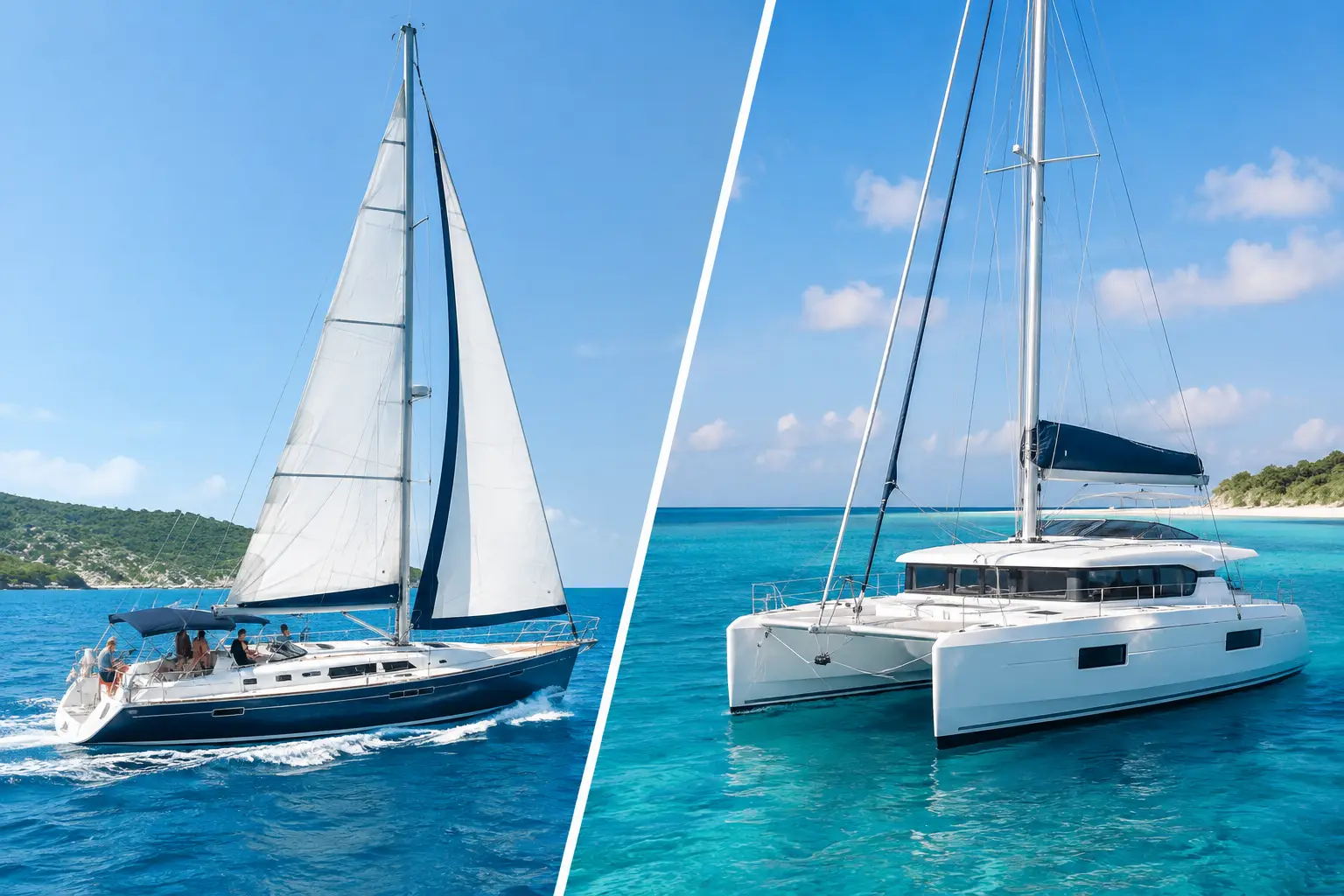
Shared Cruise vs Private Charter: Which Fits?
19 de October, 2026
Compare a shared cruise vs private charter in Lisbon and choose the right Tagus experience for your sunset, celebration, family, or group with confidence.
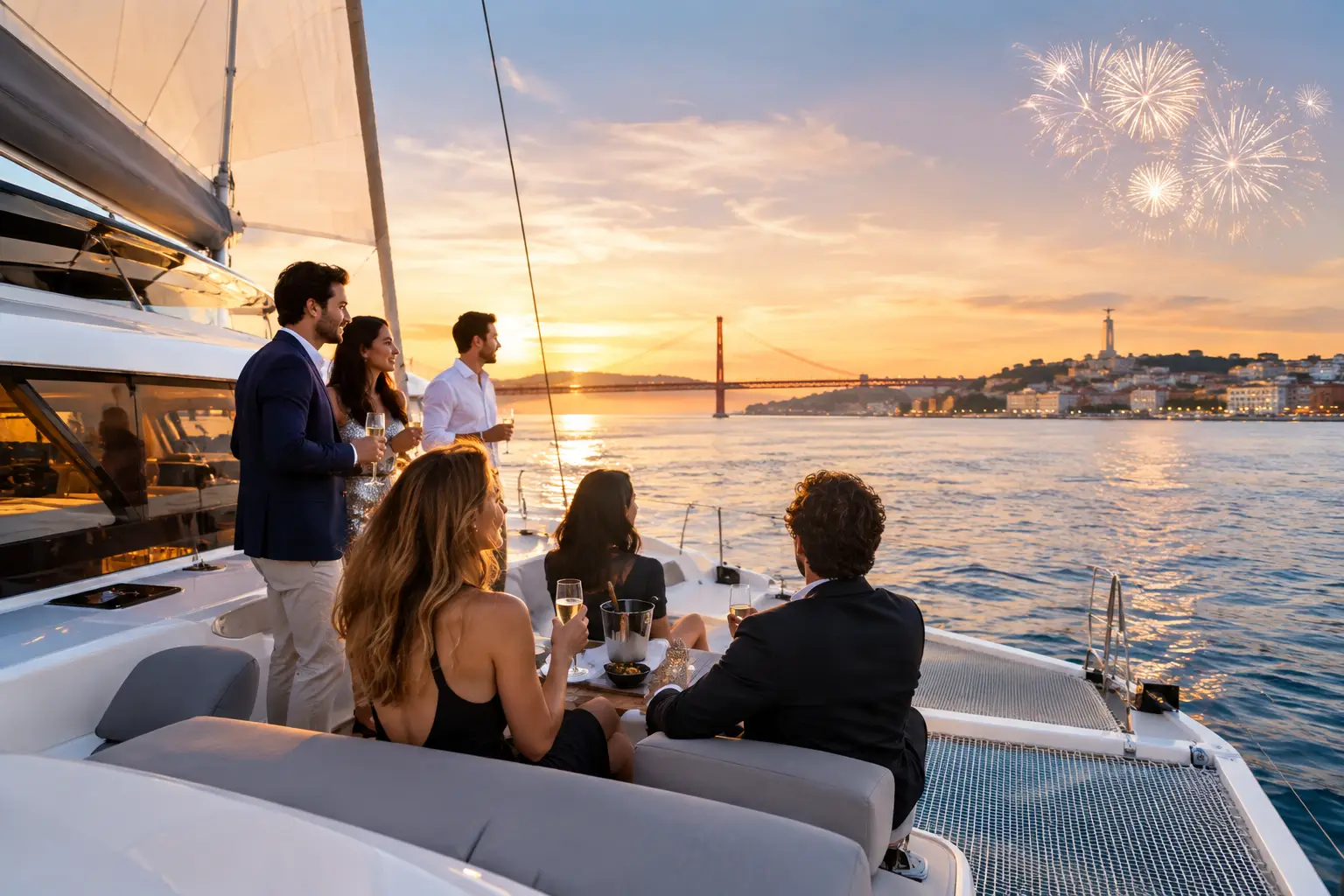
Celebrate NYE on a Luxury Catamaran in Lisbon
18 de October, 2026
Plan NYE on a luxury catamaran in Lisbon with skyline views, warm hospitality, drinks, music, and a front-row place for midnight fireworks on the Tagus.

Team Building on a Luxury Catamaran in Lisbon
17 de October, 2026
Plan team building on a luxury catamaran in Lisbon with skyline views, relaxed hospitality, and a private River Tagus cruise your team will remember again.
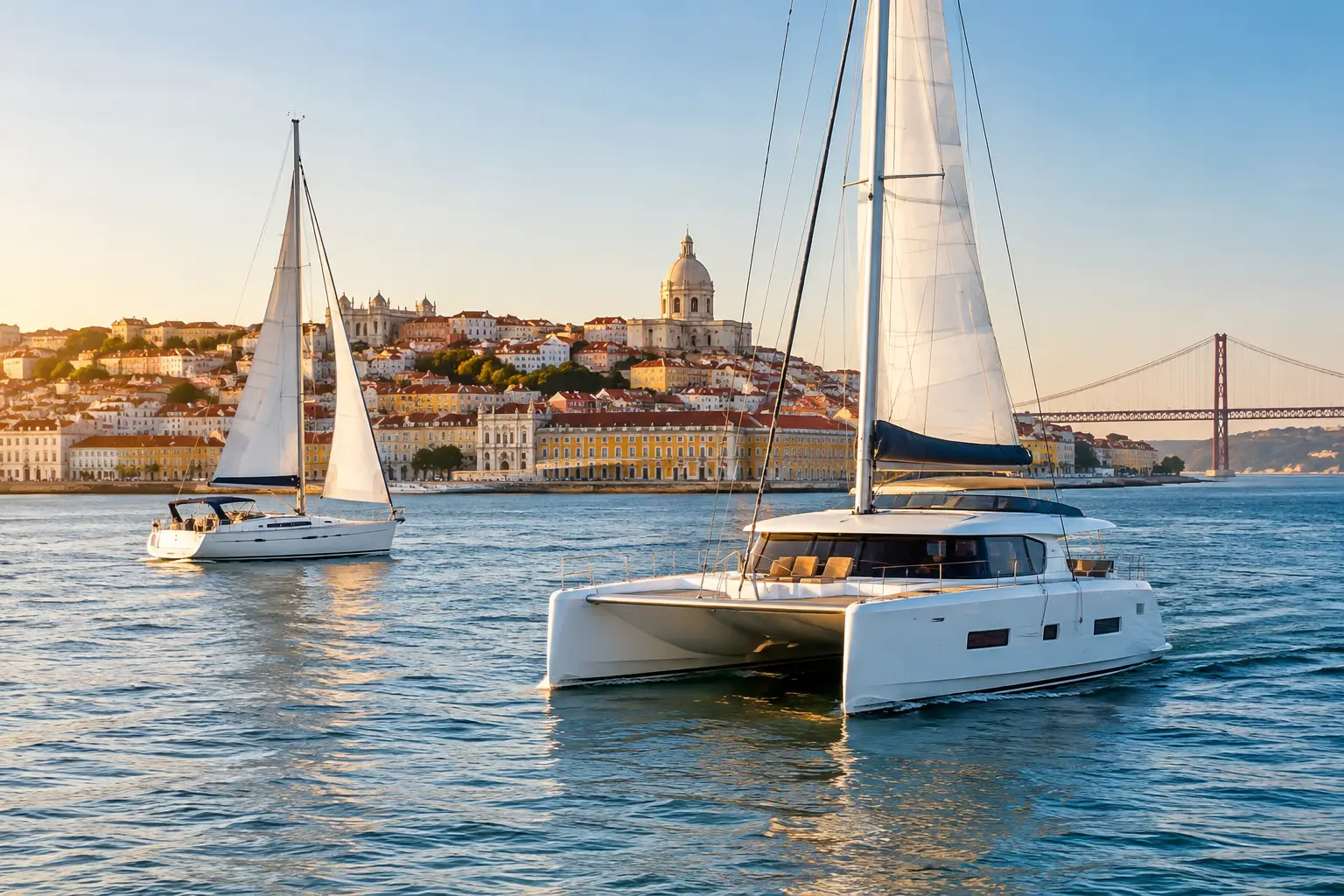
How to Select Cruise Departure Times in Lisbon
16 de October, 2026
Learn how to select cruise departure times in Lisbon for sunset views, calm water, easy travel plans, and the right shared or private boat experience.
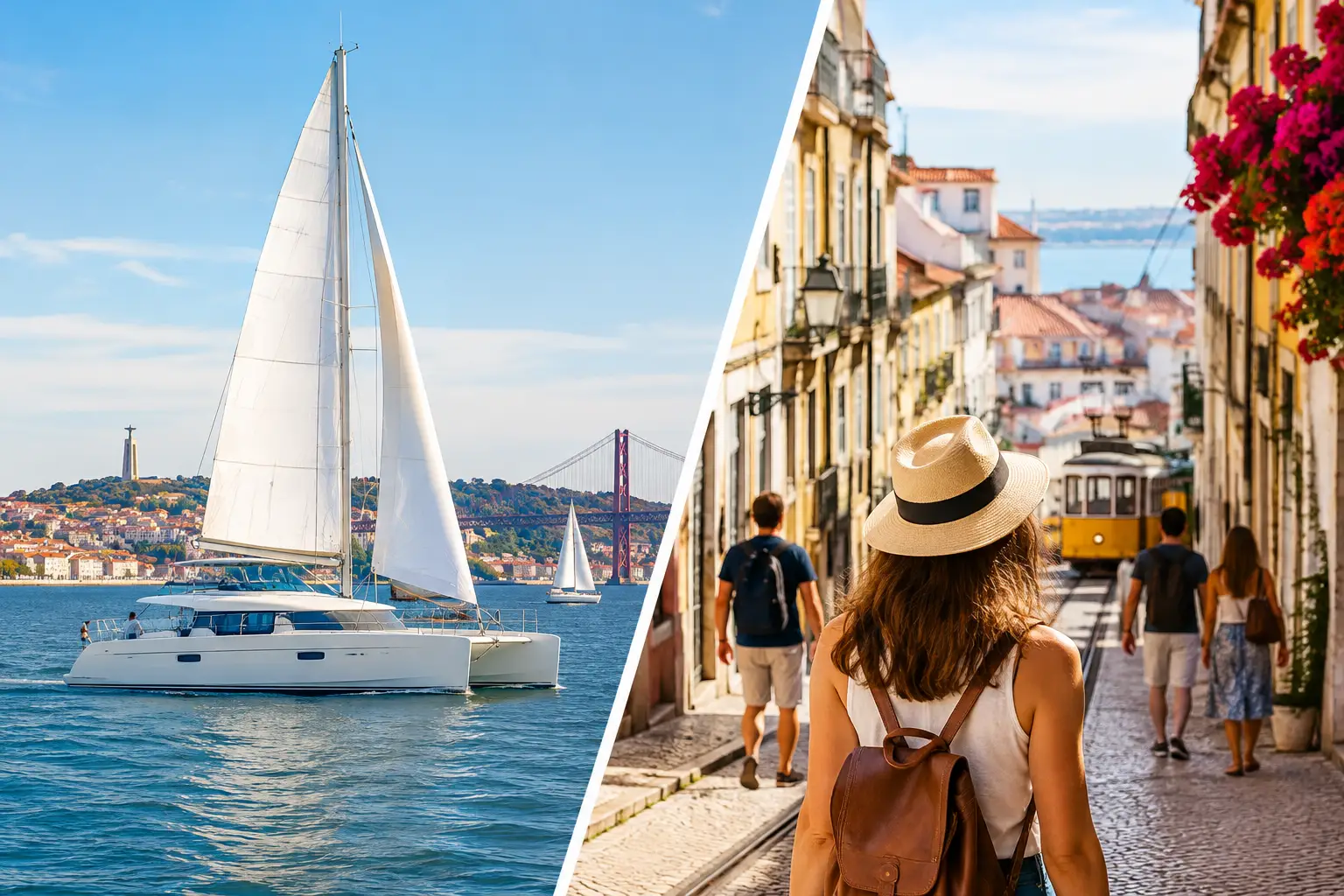
River Cruise Versus Walking Tour in Lisbon
15 de October, 2026
River cruise versus walking tour in Lisbon: compare views, pace, comfort, and local atmosphere to choose the experience that suits your Lisbon trip best.
Sailboat Versus Motorboat Experience in Lisbon
14 de October, 2026
Compare the sailboat versus motorboat experience in Lisbon to choose the right river cruise for sunset, sightseeing, celebrations, and comfort aboard.
Boat Toilet Availability: What to Expect in Lisbon
13 de October, 2026
Boat toilet availability matters when choosing a Lisbon cruise. See which boats have restrooms, what to ask before boarding, and how to plan in comfort.
2022 © Rent a Boat. Resolution of consumer conflicts
Developed by Inovlancer